

Michaela Strachan: From The Really Wild Show to Modern Conservation
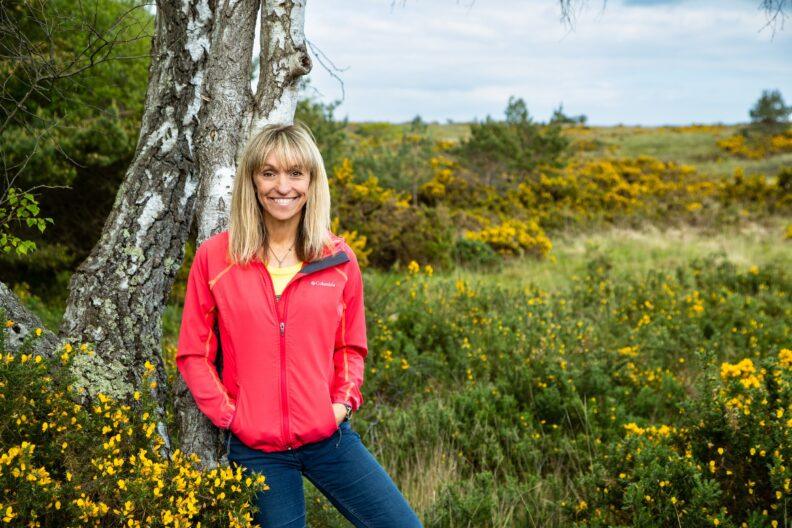
Introduction: Why Michaela Strachan matters
Michaela Strachan is a familiar face in British broadcasting and a prominent communicator of nature and wildlife issues. Her work on long-running television programmes has introduced generations to wildlife, making complex environmental topics accessible to a broad audience. In an era of accelerating biodiversity loss and climate change, presenters like Strachan play a key role in raising public awareness and encouraging engagement.
Main body: Career and contributions
Broadcasting and public engagement
Strachan first gained widespread recognition presenting The Really Wild Show, a flagship children’s wildlife programme that helped popularise natural history for younger viewers. Since then she has been associated with several high-profile BBC series, including Springwatch, Autumnwatch and Countryfile, delivering field reports, features and on-screen presenting that blend entertainment with information. Her approachable presenting style and experience in the field have helped to demystify species behaviour, habitats and conservation challenges.
Conservation and education
Beyond studio work, Michaela Strachan has been involved in public-facing conservation activities and educational projects. She has collaborated with charities and community initiatives to promote wildlife-friendly practices and to support habitat restoration efforts. Through appearances at events, outreach work and media campaigns, she has encouraged practical steps that viewers can take, from creating wildlife gardens to supporting local conservation groups.
Adaptation to new media
Like many broadcasters, Strachan has adapted to changes in how people consume content, participating in digital segments, social media outreach and short-form video that reach audiences beyond traditional television. This pivot helps sustain interest in environmental topics among younger demographics and maintains momentum for conservation narratives in a crowded media landscape.
Conclusion: Significance and outlook
Michaela Strachan’s career illustrates the enduring value of clear, passionate science communication. As concerns about biodiversity and climate impacts grow, her continued presence in broadcasting and public engagement supports informed discussion and action. For readers, Strachan’s work is a reminder that individual choices, community initiatives and sustained public interest—fostered by trusted communicators—remain vital to conserving wildlife for future generations.