

Shampoo Recalled — What Consumers Should Do
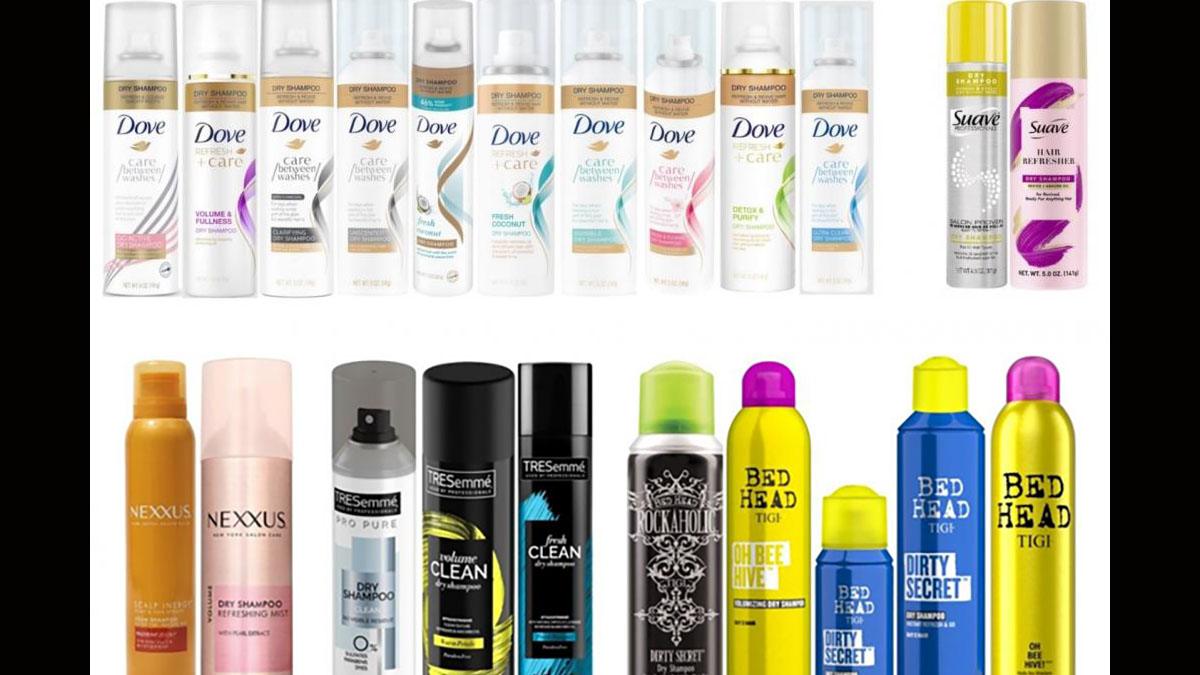
Why a shampoo recall matters
A shampoo recalled can affect many households and raises immediate questions about safety, consumer rights and the steps needed to reduce harm. Personal care products are used daily and often by vulnerable people, so a recall — whether due to contamination, undeclared ingredients or packaging faults — is relevant to public health and household budgets. Rapid, clear guidance helps consumers decide whether to stop using a product and how to obtain a refund or replacement.
Main details and typical reasons for recalls
How recalls usually arise
Recalls of shampoos generally occur after a manufacturer or regulator identifies a problem. Common triggers include microbial contamination, presence of an undeclared allergen, labelling errors (such as incorrect ingredient lists), packaging defects that affect product sterility, or chemical imbalances that may irritate skin or eyes. In many cases the manufacturer issues a voluntary recall and posts information on its website and through retailers.
What consumers should check
If you hear that a shampoo has been recalled, first check the official recall notice from the manufacturer or your national consumer safety regulator. Look for details such as product name, size, batch or lot number and sell-by date. If your product matches the details given, stop using it immediately. Keep the product and its packaging, including the receipt if you have it, as this will help when you claim a refund or exchange.
Health and reporting
Minor skin irritation often resolves after discontinuing use and rinsing the affected area. If you experience severe reaction — for example, significant swelling, breathing difficulties, or persistent eye problems — seek medical help promptly and tell the clinician about the product. Report adverse events to the retailer, the manufacturer and the appropriate national reporting body so authorities can assess risks and track incidents.
Conclusion: practical next steps and outlook
A shampoo recalled underscores the importance of staying informed and following official guidance. Consumers should verify recall details, stop use if affected, retain packaging and receipts, and follow instructions for returns or refunds. Regulators and manufacturers will typically investigate and update guidance; staying alert to official communications will ensure households can respond quickly. In the longer term, recalls can prompt improved quality controls and clearer labelling, benefiting consumer safety across the sector.