

Understanding Product Recall: Risks, Process and What Consumers Should Do
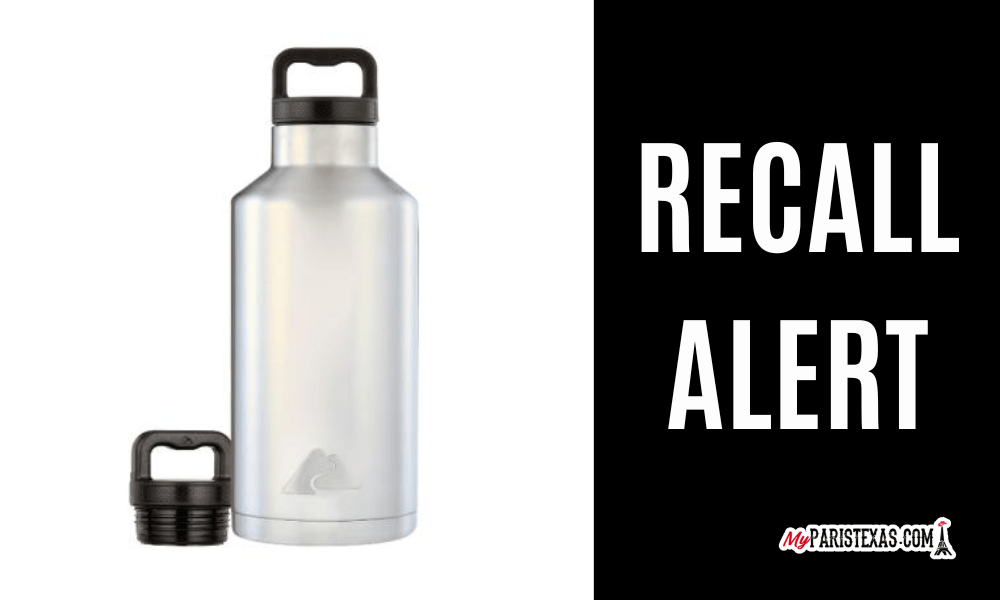
Introduction: Why product recall matters
Product recall is a key consumer safety mechanism and a critical part of modern supply-chain governance. Recalls protect public health and safety when goods present a risk — from food and toys to electrical appliances and medicines. For consumers, retailers and regulators alike, awareness of how recalls work and what to do when one happens is essential to reduce harm and maintain trust in markets.
Main body: How recalls happen and what they involve
Typical causes and detection
Recalls are triggered when a product is found to pose a safety, health or regulatory risk. Common causes include contamination, faulty components, incorrect labelling, choking hazards, fire or electric shock risks, and non-compliance with safety standards. Issues can be detected by manufacturers’ quality checks, consumer complaints, retailer reports or routine regulatory inspections.
The recall process
Once a risk is identified, manufacturers and distributors usually work with regulatory bodies to determine the scope and remedy. The process typically involves: identifying affected batches or serial numbers; issuing public notices describing the hazard; offering remedies such as repair, replacement, refund or disposal; and monitoring the effectiveness of the recall. Retailers and online platforms play a key role by removing items from sale and informing customers.
Role of regulators and communication
Regulatory authorities set safety standards and oversee enforcement. In addition to issuing public warnings, they may require corrective actions or impose penalties where necessary. Modern recalls increasingly use digital channels—email notifications, websites and social media—to reach consumers quickly, but traditional methods such as press releases remain important for wide outreach.
Impact on stakeholders
For consumers, the immediate priority is safety and following recall instructions. For businesses, recalls can carry financial, reputational and legal consequences. Effective crisis management, transparent communication and rapid corrective measures help limit harm and restore confidence.
Conclusion: Practical takeaways and outlook
Product recall will remain a vital consumer-protection tool as global supply chains and product complexity grow. Consumers should register products where possible, follow recall notices promptly and check retailer and regulator websites for updates. Businesses should maintain robust quality controls and clear recall plans to respond swiftly. Taken together, these steps help reduce risk and ensure safer products in the marketplace.