

Shampoo Recalled: What Consumers Need to Know
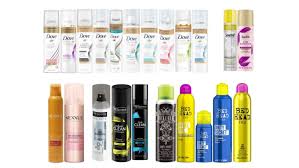
Introduction: Why a shampoo recall matters
A shampoo recalled from sale can prompt concern for many households. Haircare products are used daily by millions and a recall can affect consumer safety, trust in brands and the wider supply chain. Understanding why a shampoo might be recalled and what steps to take helps readers respond quickly, reduce health risks and support enforcement efforts.
Main body: Causes, developments and practical facts
Common reasons for a recall
Shampoos are typically recalled for a small set of recurring issues: microbial contamination, incorrect or missing ingredient labelling (including undeclared allergens), presence of prohibited substances, and manufacturing defects such as faulty packaging that leads to spoilage. Recalls may also arise from consumer reports of adverse reactions or from routine sampling by authorities.
How recalls are announced and handled
When a shampoo is recalled manufacturers, retailers or regulators publish notices giving the product name, batch or barcodes, and guidance for consumers. In the UK, Trading Standards and the Office for Product Safety and Standards help coordinate responses. Retailers usually remove affected stock and offer refunds or replacements; manufacturers may issue public statements detailing corrective actions.
What consumers should do
If you learn a shampoo has been recalled, stop using the product immediately. Check the label for batch numbers or barcodes against the recall notice. Preserve the product and purchase proof where possible, and follow the manufacturer’s guidance on returns or disposal. If you experience irritation, allergic reaction or illness after use, seek medical advice and keep a record of symptoms to report to your clinician and to consumer authorities.
Conclusion: Significance and outlook
Shampoo recalls highlight gaps in manufacturing or labelling controls and prompt improvements across the sector. For consumers the immediate priority is safety: stop use, follow recall instructions and report adverse effects. Over the medium term, recalls can encourage stronger testing, clearer labelling and closer regulatory oversight, helping reduce future incidents and restoring public confidence in personal-care products.