

Understanding Product Recall: What to Do and Recent Safety Alerts
Introduction: Why product recall matters
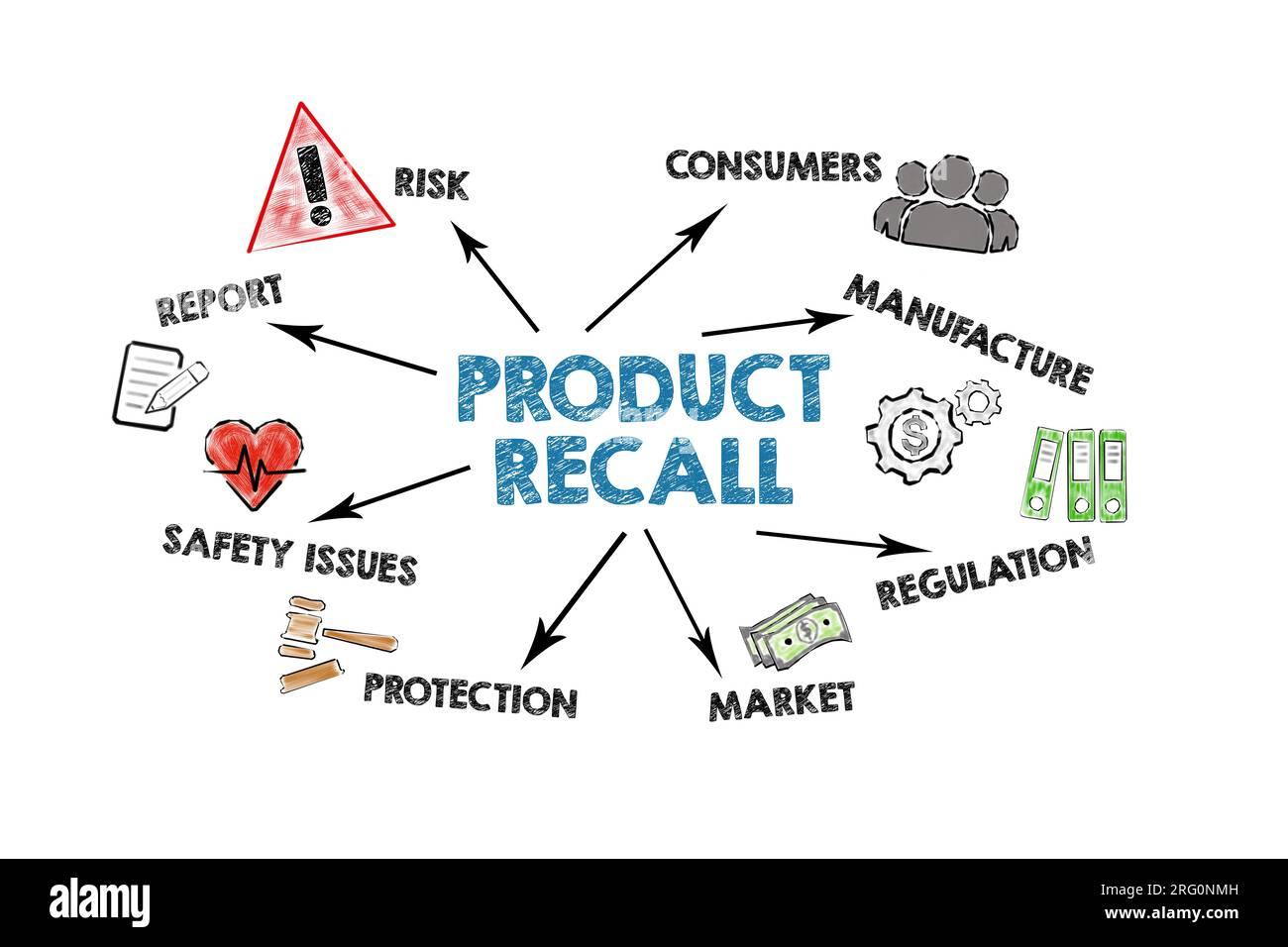
Product recalls protect consumers from dangerous or defective goods. Whether a fault risks contamination, entrapment or head injury, fast and clear action can prevent harm. Awareness of what a product recall is, how the process works and what consumers should do is increasingly relevant as regulators and retailers routinely issue safety notices.
What is a product recall?
According to the American Society for Quality (ASQ), a product recall is a request to return, exchange or replace a product after a manufacturer or consumer watch group discovers defects. Recalls aim to remove items that may cause injury, illness or fail to meet mandatory safety standards.
What to do if you have a recalled product
Guidance from FoodSafety.gov outlines practical steps consumers should follow. First, do not use or eat the product: even precautionary recalls may indicate possible contamination or mislabelling. Do not open the item if it is sealed, and check the official recall notice for specific instructions. Manufacturers typically provide steps on how to return, dispose of or obtain a refund or replacement. Many recalls are issued as a precaution and are not always linked to reported illness, but it is safer to follow the recall directions promptly.
Recent examples: regulator and retailer alerts
Retailers and regulatory agencies publish recall information so customers can act quickly. For example, corporate recall listings link to manufacturers’ and agencies’ press releases. Recent alerts include U.S. Consumer Product Safety Commission (CPSC) warnings about several items sold through major retailers: BeePrincess and Duyue2 bike helmets were flagged for risk of serious head injury and for violating mandatory helmet standards; Cumbor retractable safety gates and Joyful Journey baby loungers were recalled because of entrapment and fall hazards; and Tuyedoqe travel bassinets were warned against due to strangulation and fall risks. These notices underscore the range of hazards that prompt recalls and the importance of checking retailer recall pages.
Conclusion: Stay informed and act
Product recalls are an essential consumer safety mechanism. Consumers should monitor official recall notices from manufacturers, regulators and retailers, avoid using recalled items, and follow the provided instructions for returns or disposal. Staying informed reduces risk and helps ensure defective or dangerous products are removed from circulation quickly.