

Andrew Tate: Influence, Controversy and Ongoing Scrutiny
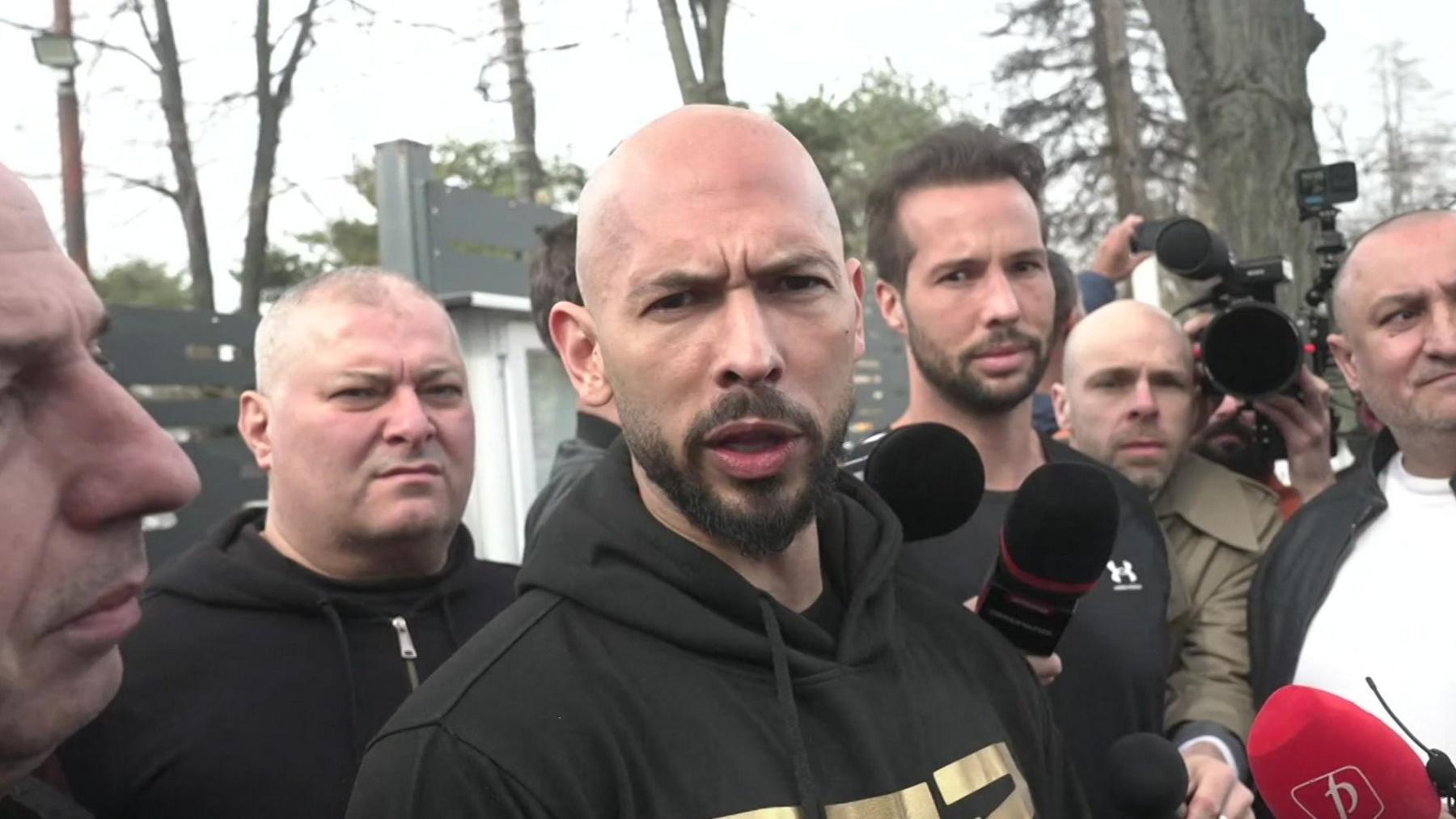
Introduction: Why Andrew Tate Matters
Andrew Tate is a polarising public figure whose activities resonate beyond celebrity culture. As a former professional kickboxer turned social media entrepreneur, he has attracted a large online following and sparked intense debate about influencer responsibility, platform moderation and the social impact of digital content. Understanding developments around Tate is important for readers concerned with online safety, youth radicalisation and the limits of public discourse.
Main body: Background and Recent Developments
Career and public profile
Tate first gained attention as a competitive kickboxer and later built a profile as an entrepreneur and online commentator. He became widely known for sharing lifestyle content, self-help advice and provocative commentary on masculinity and relationships. His style and messages have drawn both sizable support and sustained criticism.
Platform responses and public debate
Major social platforms have at times restricted or removed Tate’s accounts in response to content flagged by moderators. Those decisions reignited public discussions about how social networks enforce policies on hate speech, misogyny and harmful content. Advocates of stricter moderation argue such moves protect vulnerable users, while critics warn about censorship and inconsistent rule application.
Legal scrutiny and ongoing attention
Tate has also been the subject of legal scrutiny that drew international media coverage. Reporting has focused on investigations and proceedings in countries where authorities have looked into allegations connected to his activities. These legal processes and their media coverage have amplified scrutiny of his business practices and public statements.
Conclusion: What This Means for Readers
Andrew Tate’s prominence highlights broader issues for internet users and policymakers. The case underlines the challenge of balancing free expression with protections against harmful content, and it shows how influential online figures can shape conversations—especially among young audiences. Forecasts point to continued legal and platform-level developments, and to ongoing public debate about how society should respond to polarising digital influencers. For readers, the key takeaway is to engage critically with online personalities, verify claims, and follow reliable reporting as events unfold.