

Ryan Routh sentenced to life for Trump golf course assassination attempt
Introduction: Why the case matters
The sentencing of Ryan Routh is a significant moment in the aftermath of a high‑profile 2024 assassination attempt against then‑presidential candidate Donald Trump. The case has drawn national attention because it involved an alleged plot to kill a leading political figure at a public golf club and because the attempt was thwarted by a Secret Service agent. The sentence highlights legal consequences for politically motivated violence and the role of security personnel in protecting public officials.
Main body: Facts and court proceedings
The attempt and the plot
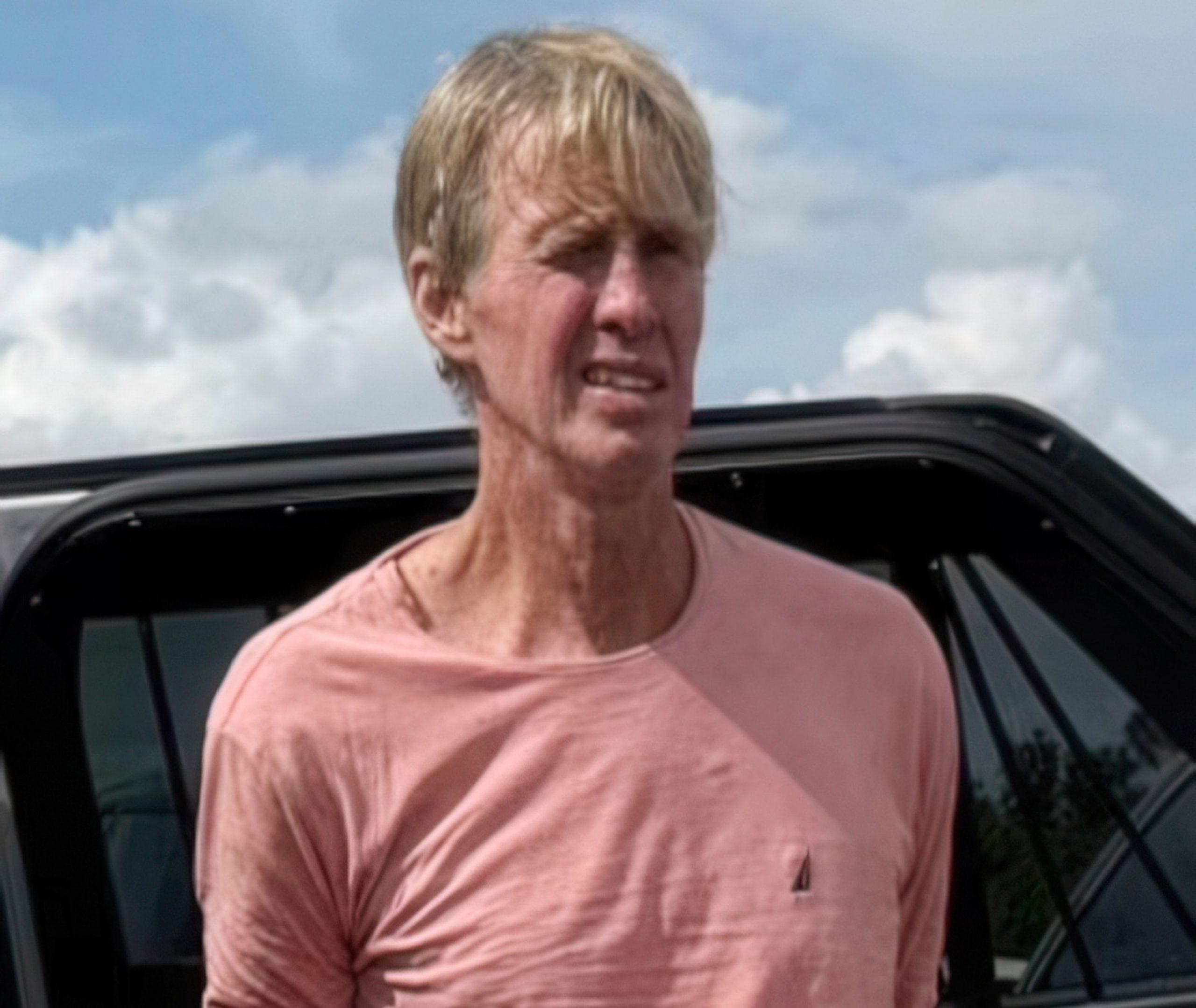
Prosecutors said Ryan Routh, 59, spent weeks planning the attack before aiming a semi‑automatic rifle through shrubbery at Trump while he was playing golf at Trump International Golf Club in West Palm Beach in September 2024. Authorities say Routh lay in wait at the course and sought to kill the then‑Republican candidate in an effort to stop his candidacy.
Trial and convictions
Routh was found guilty last year on five charges, including attempted assassination. He represented himself at trial. Prosecutors described him in a sentencing memorandum as someone who “remains totally unrepentant,” arguing that the “heinous nature of this assassination attempt” warranted the maximum punishment. Defence counsel Martin Roth had urged a far lighter term, asking the judge for 20 years in addition to a mandatory seven‑year sentence tied to one firearms conviction.
Sentencing
In federal court on Wednesday, U.S. District Judge Aileen Cannon sentenced Routh to life in prison plus a mandatory additional seven years for the firearm offence. Judge Cannon characterised Routh as an “evil person” who intended to kill the former candidate and said the attack would have succeeded but for the intervention of a Secret Service agent who disrupted the plot. The sentence was handed down in Fort Pierce, Florida.
Conclusion: Significance and outlook
The life‑plus‑seven sentence ensures Ryan Routh will remain incarcerated for the remainder of his life and underscores the gravity with which courts treat attempts on the life of a political candidate. The case also emphasises the critical role of protective agents in preventing violence against public figures. For readers, the ruling serves as a reminder of the legal and security mechanisms that respond to politically motivated threats.