

Chinese New Year 2026: Date, Traditions and Practical Impact
Introduction: Why Chinese New Year 2026 matters
Chinese New Year 2026 is a major cultural and economic milestone for communities across East Asia and the global Chinese diaspora. Celebrations mark the start of the lunar new year and carry social, familial and commercial significance. For millions, the festival is a time for reunions, travel and traditional rituals; for businesses and public authorities it entails planning for altered travel patterns, retail demand and public events.
Main developments and facts
Date and zodiac
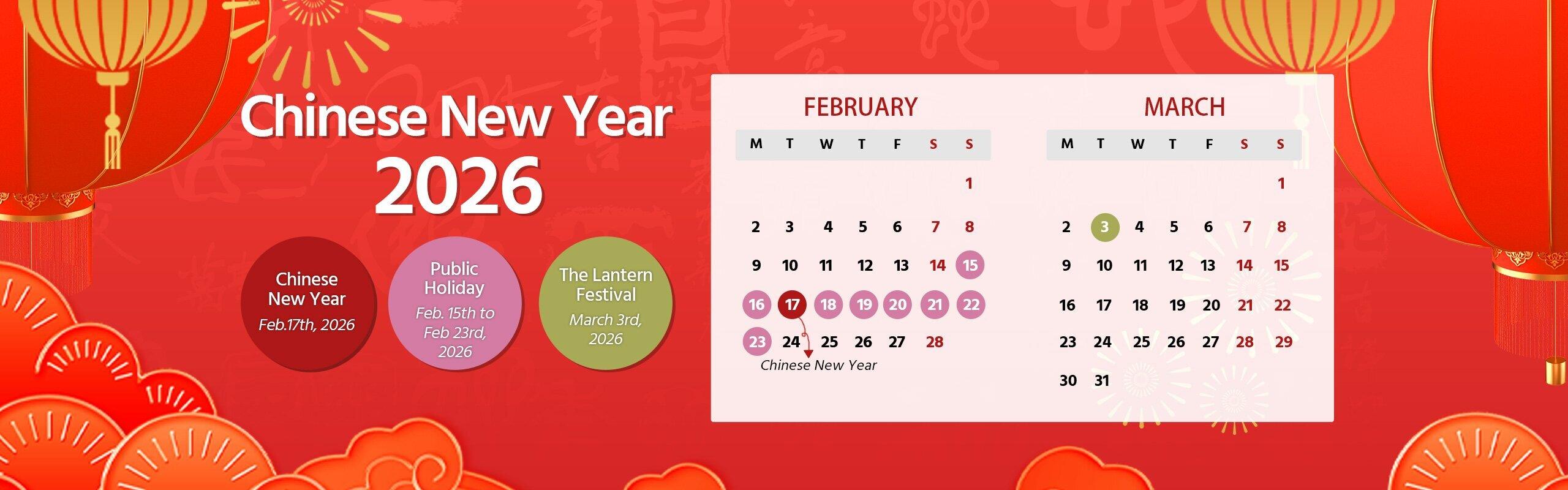
Chinese New Year 2026 falls on 17 February 2026 and ushers in the Year of the Horse under the Chinese zodiac. The date varies each year according to the lunisolar calendar, and the 15th day traditionally concludes the festival with the Lantern Festival.
Customs and public life
Customary observances include family reunion dinners, the exchange of red envelopes, lion and dragon dances, temple fairs and fireworks in many locations. Public holidays and the scale of festivities vary by country and city; some urban areas impose restrictions on fireworks for safety and pollution reasons. Community organisations and cultural centres typically stage parades, performances and children’s activities throughout the period.
Travel and economic impact
The festival coincides with the annual Spring Festival travel rush, one of the world’s biggest temporary migrations, as people return home for family gatherings. Transport operators and local authorities plan for heavy demand on trains, buses and air routes. Retailers and hospitality businesses often see spikes in spending on gifts, food and travel, while some sectors temporarily reduce activity as workers take leave.
Conclusion: What readers should know
Chinese New Year 2026 will be a notable moment for cultural celebration and logistical planning. Readers intending to travel, attend events or trade with markets in affected regions should expect busy services, possible local restrictions and a flurry of public events. Checking local public holiday schedules, booking transport and accommodation early, and respecting community customs will help make participation smooth and rewarding. The festival’s cultural and economic ripple effects make it relevant well beyond communities that traditionally celebrate it.