

Happy Lohri 2026: Celebrating Harvest, Heritage and Hope
Introduction: The Significance of Lohri in Modern Times
Lohri, one of North India’s most loved winter festivals, will be celebrated this year on Tuesday, January 13, 2026, bringing communities together to mark the end of winter and welcome the harvest season. Observed with great enthusiasm in Punjab and northern India, the harvest festival is a time to express gratitude, spread warmth, and celebrate togetherness. As families across Delhi, Haryana, Punjab, and Himachal Pradesh prepare for the festivities, this ancient tradition continues to hold deep cultural relevance in contemporary society.
This year, Lohri feels especially relevant as communities rediscover traditional festivals to reconnect with cultural roots, sustainable living, and collective joy. In today’s fast-paced urban life, the festival serves as a powerful reminder of our agricultural heritage and the importance of community bonds.
Lohri 2026: Date, Timing and Traditional Celebrations
The vibrant Punjabi harvest festival is traditionally observed on the evening before Makar Sankranti, which in 2026 will be marked on January 14. In 2026, the auspicious time for lighting the Lohri fire begins at 5:43 pm on January 13 and continues until 7:15 pm.
Lohri is a midwinter folk and harvest festival that marks the passing of the winter solstice and the end of winter. It is a traditional welcome of longer days and the sun’s journey to the Northern Hemisphere. The celebrations revolve around the sacred bonfire, where Hindus and Sikhs traditionally lit bonfires in their yards after the weeks of the rabi season cropping work, socialised around the fire, sang and danced together as they marked the end of winter and the onset of longer days.
Rituals, Folklore and Cultural Traditions
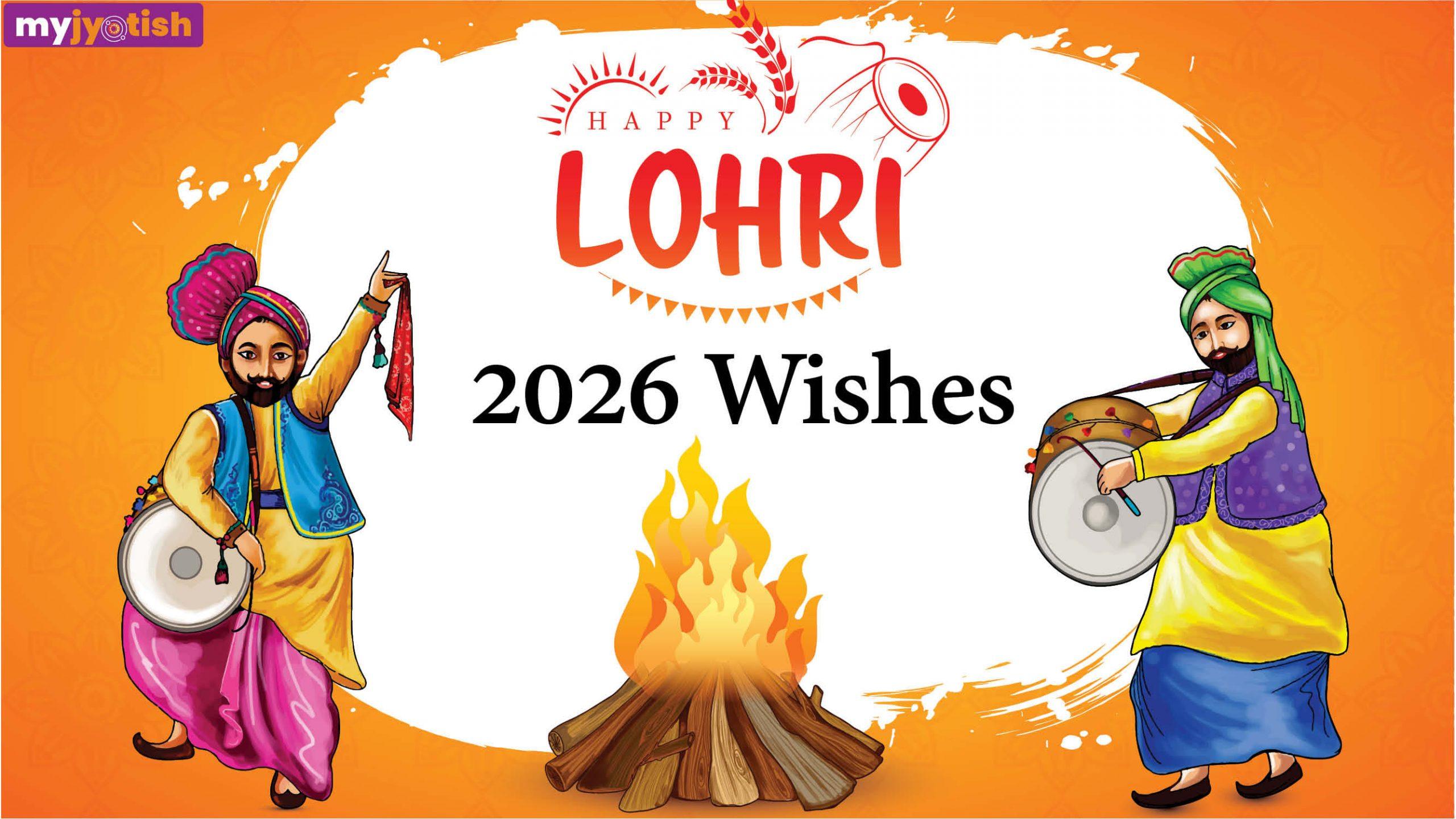
The festival’s rituals remain deeply meaningful. The central ritual of Lohri is lighting a bonfire at sunset, symbolizing warmth and the victory of light over darkness. People walk around the fire, offer sesame seeds, jaggery, peanuts, popcorn, and rewri, and pray for prosperity. In Punjab, people wear their brightest clothes and come to dance the bhangra and giddha to the beat of the dhol.
The festival is intertwined with the legend of Dulla Bhatti, a folk hero from the Mughal era. One of the most popular folk heroes remembered during Lohri is Dulla Bhatti, often called the Robin Hood of Punjab. Living during Emperor Akbar’s reign, he is celebrated for saving poor girls from abduction and helping arrange their marriages. Children go door-to-door singing traditional Lohri songs that praise his bravery, keeping this oral history alive across generations.
Contemporary Significance and Future Outlook
Primarily, it is a harvest festival celebrated to thank the Sun God for a bountiful harvest, particularly of sugarcane crops. Traditionally, it also signifies the end of winter and the arrival of longer days, symbolizing warmth, prosperity, and new beginnings. Beyond its agricultural roots, Lohri holds special significance for families celebrating newborns or newlyweds, with special prayers and rituals are performed to bless them with a bright future.
Lohri 2026 is more than a festival—it is a celebration of life, gratitude, and togetherness. As bonfires light up winter nights on January 13, Lohri continues to unite communities, honour farmers, and welcome new beginnings with warmth and hope. For readers planning to celebrate, sharing Happy Lohri wishes with loved ones, participating in bonfire gatherings, and enjoying traditional foods like makki ki roti and sarson da saag are wonderful ways to honour this cherished festival whilst strengthening family and community ties in an increasingly digital world.