

When is Chinese New Year: Dates, Meaning and Customs
Introduction
Chinese New Year is one of the world’s most widely celebrated festivals and a focal point for family reunion, commerce and travel across East and Southeast Asia. Understanding when Chinese New Year falls each year matters for businesses, travellers and communities planning holidays and cultural events. The date changes annually because it follows the lunisolar calendar rather than the Gregorian calendar used for most civil purposes.
Main body
When is Chinese New Year?
Chinese New Year occurs on the first day of the first month in the traditional Chinese lunisolar calendar. Practically, this means the festival falls on the new moon between 21 January and 20 February. The exact date is determined by astronomical calculations that align lunar months with the solar year; some years include a leap month to keep calendars in sync.
How the date affects people and places
Because the date moves each year, governments, employers and schools publish holiday timetables in advance. Mainland China typically grants a multi-day Spring Festival holiday; many workplaces and institutions across Hong Kong, Macau, Taiwan, Singapore, Malaysia and other countries with sizable Chinese communities also observe public holidays around the festival. The period triggers Chunyun, the annual travel rush in China, when millions return home for family reunions.
Customs tied to timing
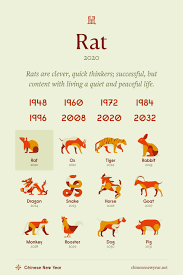
The timing defines key rituals: the New Year’s Eve reunion dinner, the giving of red envelopes (hongbao), fireworks and public performances such as lion and dragon dances take place at the start of the festival. Celebrations traditionally conclude on the 15th day with the Lantern Festival, when lanterns are displayed and evening gatherings are common. Each New Year is also associated with one of the 12 zodiac animals in rotation, a marker used widely in cultural calendars and horoscopes.
Conclusion
Because Chinese New Year follows a lunisolar system, its date shifts each year but always falls between late January and mid-February. For readers planning travel, work schedules or cultural events, checking the specific date for the relevant year and local public-holiday announcements is essential. The festival’s variable timing influences travel, commerce and community life across many countries, making advance planning important for households and organisations alike.