

Who Celebrates Diwali Around the World?
The Significance of Diwali
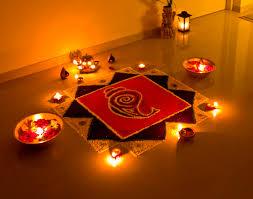
Diwali, known as the Festival of Lights, is one of the most significant festivals celebrated by millions across the globe. It signifies the victory of light over darkness, knowledge over ignorance, and good over evil. Traditionally, it is observed by Hindus, Sikhs, Jains, and to some extent, Buddhists, and it marks the start of the new year in many Indian cultures.
Diwali Celebrations Among Different Religions
For Hindus, Diwali commemorates the return of Lord Rama, his wife Sita, and brother Lakshman after 14 years of exile, culminating in the defeat of the demon king Ravana. In Sikhism, the festival marks the release of Guru Hargobind Ji from imprisonment, while Jains celebrate the day when Lord Mahavira attained Nirvana. Each religion brings its interpretation and traditions to the festival, enriching the celebratory atmosphere.
Global Observance
Diwali is not confined to India; it has transcended borders, with fervent celebrations in various countries including Nepal, Bangladesh, Sri Lanka, and Mauritius. Additionally, regions with significant Indian diaspora, like the United States, Canada, Australia, the United Kingdom, and South Africa, observe the festival with much enthusiasm. In these regions, public events, fireworks, and communal prayers are common, strengthening community bonds.
Cultural Impact and Modern Celebrations
In the 21st century, Diwali has evolved beyond its traditional roots in many western countries where it is celebrated broadly as a festival of lights. Major cities now host Diwali fairs, parades, and cultural programs showcasing Indian art, music, and cuisine, attracting diverse audiences. This integration signifies a growing appreciation for multiculturalism and a recognition of the relevance of such festivals in fostering community and unity.
Conclusion
As Diwali approaches, its relevance extends beyond cultural or religious practices; it exemplifies the universal themes of hope and positivity. With each passing year, the festival attracts more global attention. Its celebration in various forms reminds us of the importance of inclusivity and understanding in today’s multicultural societies. As communities come together to celebrate, Diwali serves not only as a reminder of historical significance but also as a beacon of togetherness for all.