

Chinese New Year 2026: Celebrations, Travel and Economic Effects
Introduction: Why Chinese New Year 2026 matters
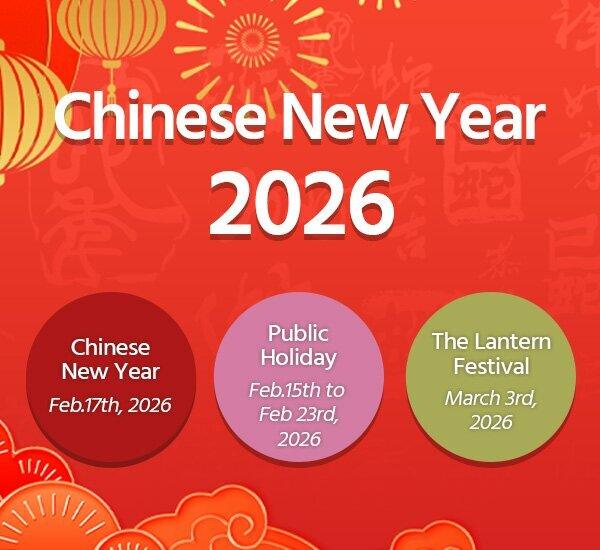
Chinese New Year 2026, marking the Year of the Horse, is one of the most significant annual observances across East and Southeast Asia and in Chinese communities worldwide. The festival is important culturally—anchoring family reunions, traditional rites and public celebrations—and economically, because it shapes travel patterns, retail spending and service provision across multiple sectors.
Main body: Traditions, movements and impacts
Customs and public celebrations
Communities preparing for Chinese New Year typically observe time-honoured customs such as family reunions, special meals, the giving of red envelopes (hongbao), cleaning homes to welcome good fortune, and public parades with lion and dragon dances. Temples and cultural centres host ceremonies and performances, while many cities stage lantern displays and fireworks where permitted.
Travel and logistics
The holiday traditionally triggers a major surge in travel as people return to family homes. Transport operators and local authorities usually prepare for increased demand on trains, buses, ferries and flights, and many businesses adjust timetables or close for public holidays. For international travellers and businesses that trade with the region, advance planning and flexible arrangements are commonly advised to avoid disruption.
Economic and commercial effects
Chinese New Year typically boosts consumer spending on food, gifts, clothing and travel, and it influences supply chain scheduling for manufacturers and retailers. Hospitality, tourism and retail sectors often see elevated activity in the run-up to the holiday, followed by quieter periods during the core holiday dates when factories and offices may close.
Conclusion: Significance and what readers should expect
Chinese New Year 2026 is both a cultural milestone and an economic event with practical implications for travel, retail and services. Readers planning travel, trade or leisure around the festival should allow extra lead time, check schedules with service providers and respect local customs. For many, the Year of the Horse will be a time of reunion, celebration and renewal.