

How Chinese New Year Shapes Communities, Travel and Commerce
Introduction: Why Chinese New Year Matters
Chinese New Year is one of the world’s most widely observed cultural festivals. Marking the start of the lunar calendar year, the festival carries deep social, cultural and economic significance for millions. Its relevance extends beyond communities of Chinese heritage: businesses, transport networks and public services in many countries plan around the period, while cities stage public events that attract local and international visitors.
Main body
Traditions and community events
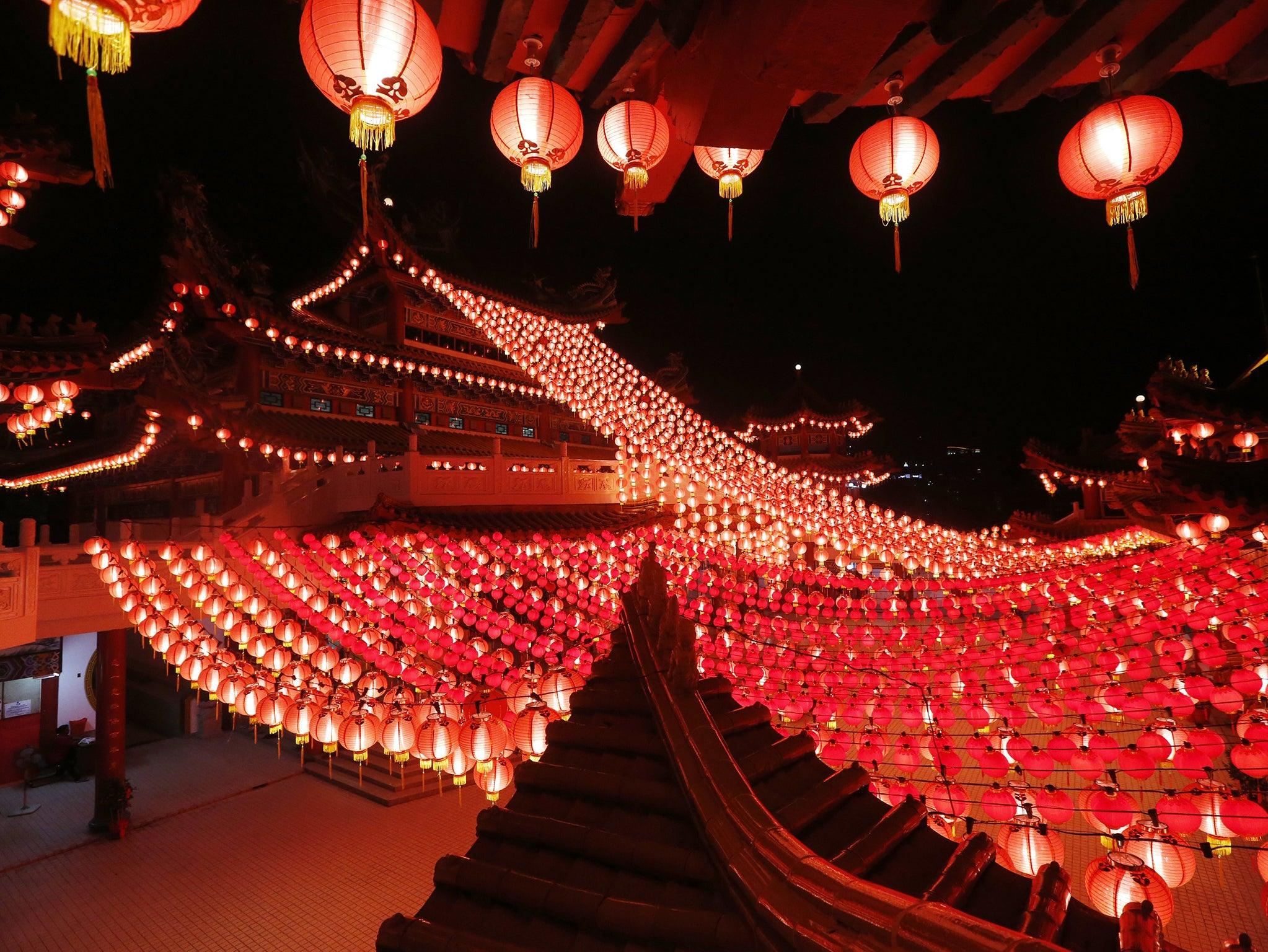
At its core, Chinese New Year centres on family reunion, ritual and renewal. Common practices include thorough home cleaning before the holiday, festive meals bringing together relatives, the giving of red envelopes and performances such as dragon and lion dances. Local community organisations and cultural centres host parades, lantern displays and concerts that make the festival visible in towns and cities worldwide.
Economic and travel implications
The festival also has a clear economic footprint. Retailers and hospitality sectors often see a rise in demand for food, gifts and themed events, while markets and pop-up fairs cater to seasonal spending. Travel patterns change too: many people travel to be with family, creating peaks in transport demand. Businesses that trade internationally pay close attention to the holiday because supply chains and customer activity can be affected across the region.
Public services and safety
Civic authorities typically coordinate public events with policing, transport timetables and safety measures. Fireworks, street parades and large gatherings call for planning to minimise disruption and ensure public safety, and local health services may issue guidance on crowd management and noise. Cultural programming in public spaces often aims to be inclusive, offering opportunities for cross-community participation.
Conclusion: Outlook and significance
Chinese New Year remains a major annual moment that blends heritage, commerce and communal life. For residents and visitors, it is a time of celebration and reflection; for businesses and public services, it requires planning and adaptation. Looking ahead, the festival’s global profile appears likely to grow, continuing to provide both cultural exchange and seasonal economic activity for communities around the world.