

Understanding Bonfire Night: History and Significance
Introduction
Bonfire Night, also known as Guy Fawkes Night, is an annual event celebrated in the United Kingdom on 5th November. This tradition commemorates the foiling of the Gunpowder Plot of 1605, where Guy Fawkes and a group of conspirators attempted to blow up the Houses of Parliament. The event holds cultural significance and is marked by fireworks, bonfires, and various festivities across the country, making it a notable occasion in the British calendar.
The Historical Context
The origins of Bonfire Night can be traced back to the events of 5th November 1605. After the Gunpowder Plot was uncovered, King James I declared the day as a national day of thanksgiving. The first bonfires were lit to celebrate the king’s safety, and over the years, this practice evolved into the modern-day celebration we know today. The event serves as a reminder of the importance of parliamentary sovereignty, and its historical context has been a poignant reference point for discussions around governance and civil liberties.
Modern Celebrations
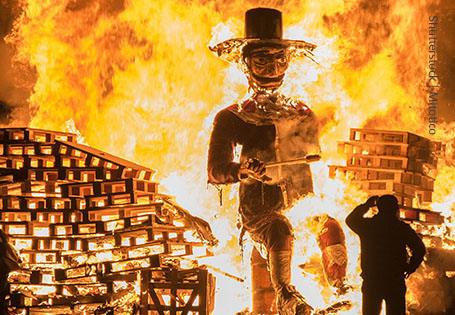
In contemporary society, Bonfire Night is celebrated with a mixture of events, including public fireworks displays, local bonfires, and the burning of effigies representing Guy Fawkes. Communities often organise festivals with stalls selling food, drinks, and refreshments. Major cities like London, Manchester, and Edinburgh host large-scale fireworks shows, attracting thousands of spectators each year. However, due to safety regulations, many councils advise against private firework displays to minimise risks and ensure community safety.
Safety Considerations
Despite its popularity, Bonfire Night also raises concerns regarding safety. In recent years, local authorities have put measures in place to ensure safer celebrations. The government encourages responsible use of fireworks, and many organisations promote safety campaigns prior to the event. Medical professionals also prepare for an increase in injuries related to fireworks, prompting public health awareness initiatives.
Conclusion
Bonfire Night remains an integral part of British culture, intertwining historical significance with community celebration. As communities come together to remember a pivotal moment in history, the event reinforces concepts of safety and responsibility. Looking ahead, it is likely that Bonfire Night will continue to adapt, blending traditional practices with modern safety standards, ensuring that this cherished celebration persists for generations to come.