

Winter Solstice 2025: Everything You Need to Know About the Shortest Day of the Year
Understanding the Winter Solstice
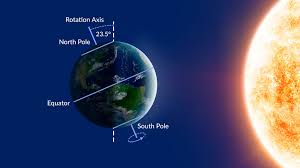
The winter solstice occurs at 10:03 a.m. EST (15:03 UTC) on Sunday, 21 December 2025, marking a significant astronomical event for the Northern Hemisphere. It marks the shortest day of the year and the first day of astronomical winter in the Northern Hemisphere, when Earth’s northern axis tilts farthest away from the sun.
The shortest day lasts 7 hours 49 minutes and 42 seconds in London, though daylight hours vary depending on your latitude. The further north you travel, the more dramatic the difference becomes, with some polar regions experiencing continuous darkness during this period.
The Science Behind the Shortest Day
Earth’s rotational axis is tilted by 23.5 degrees, which is responsible for our changing seasons. On the December solstice, Earth’s northern axis is tipped away from the sun, causing the fewest hours of daylight in the Northern Hemisphere. This astronomical phenomenon has been observed and celebrated by human civilisations for millennia.
The winter solstice occurs when either of Earth’s poles reaches its maximum tilt away from the Sun. This happens twice yearly, once in each hemisphere—December for the Northern Hemisphere and June for the Southern Hemisphere.
Cultural Significance and Celebrations
Since prehistory, the winter solstice has been a significant time of year in many cultures and has been marked by festivals and rites. The most famous celebration is at Stonehenge, a 5,000-year-old structure in England built to align with the sun at the solstice. Every year, the ancient monument hosts a winter solstice ceremony, with crowd gathering in the early hours of the morning to see the sunrise over its stones. For 2025, Stonehenge will open at 5.15am, with sunrise taking place at around 8.09am.
The solstice also holds importance in various traditions worldwide, from Iranian Shab-e Yalda celebrations to ancient Roman festivals, reflecting humanity’s enduring connection to celestial cycles.
What Happens After the Solstice
The winter solstice represents a turning point in the year. The good news for anyone tired of shorter days is that the winter solstice marks the turning point. After Dec. 21, the days will slowly start to lengthen again. While the change is gradual at first—just seconds per day—it signals the eventual return of longer, brighter days as we progress towards spring.
For those in the Northern Hemisphere, the winter solstice serves as both an astronomical milestone and a cultural reminder that even in the darkest moments, light begins its return.