

Understanding the Balkans: A Cultural and Historical Journey
Introduction
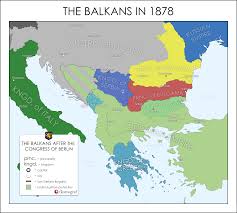
The Balkans, a region in Southeast Europe, holds a complex tapestry of history, culture, and politics. Encompassing countries like Albania, Bosnia and Herzegovina, Bulgaria, Croatia, Kosovo, Montenegro, North Macedonia, Romania, Serbia, and Slovenia, the region is crucial in understanding European history and the dynamics of contemporary geopolitics. The Balkans have been at the crossroads of empires, religions, and ideologies, making them a fascinating subject for tourists, historians, and political analysts alike.
Historical Context
The Balkans have a rich and tumultuous past. Historically, it was a melting pot of different cultures and civilizations, influenced by the Ottoman Empire, Austro-Hungarian Empire, and Byzantine Empire. The assassination of Archduke Franz Ferdinand in Sarajevo in 1914 triggered World War I, highlighting the region’s importance in global events. The subsequent Yugoslav Wars in the 1990s further revealed the ethnic tensions and complex identities within the Balkans, reshaping the political landscape of modern Europe.
Current Events
Today, the Balkans continue to grapple with the legacies of conflict and division, while also striving for greater integration into European institutions. Countries like Serbia and Montenegro are in various stages of negotiating their European Union membership. Meanwhile, the ongoing dialogue between Kosovo and Serbia remains a critical focus, with international efforts aimed at fostering stability and reconciliation.
Tourism in the Balkans has grown significantly, as visitors flock to explore natural wonders such as the pristine beaches of the Adriatic Sea, the stunning landscapes of Montenegro, and cultural sites reflecting the ancient heritage of the region. The trend towards ecotourism and adventure tourism is becoming popular, attracting more visitors seeking authentic experiences.
The Significance of the Balkans
The significance of the Balkans lies not only in its rich cultural heritage but also its role as a pivotal geopolitical zone. As tensions continue in Eastern Europe, especially regarding relations with Russia, the Balkans remain an area of strategic importance for NATO and the European Union. The future of the Balkans will likely influence the stability of the broader European landscape.
Conclusion
In summary, the Balkans are emblematic of the complexities of European history and politics. As countries in the region move towards reconciliation and integration, the interplay of culture, history, and current events will shape the future of the Balkans. For individuals interested in understanding the dynamics of contemporary Europe, the Balkans serve as a compelling case study of resilience and cultural richness amid historical challenges.