

Iftar Time Today: How to Find Accurate Local Times
Introduction: Why iftar time today matters
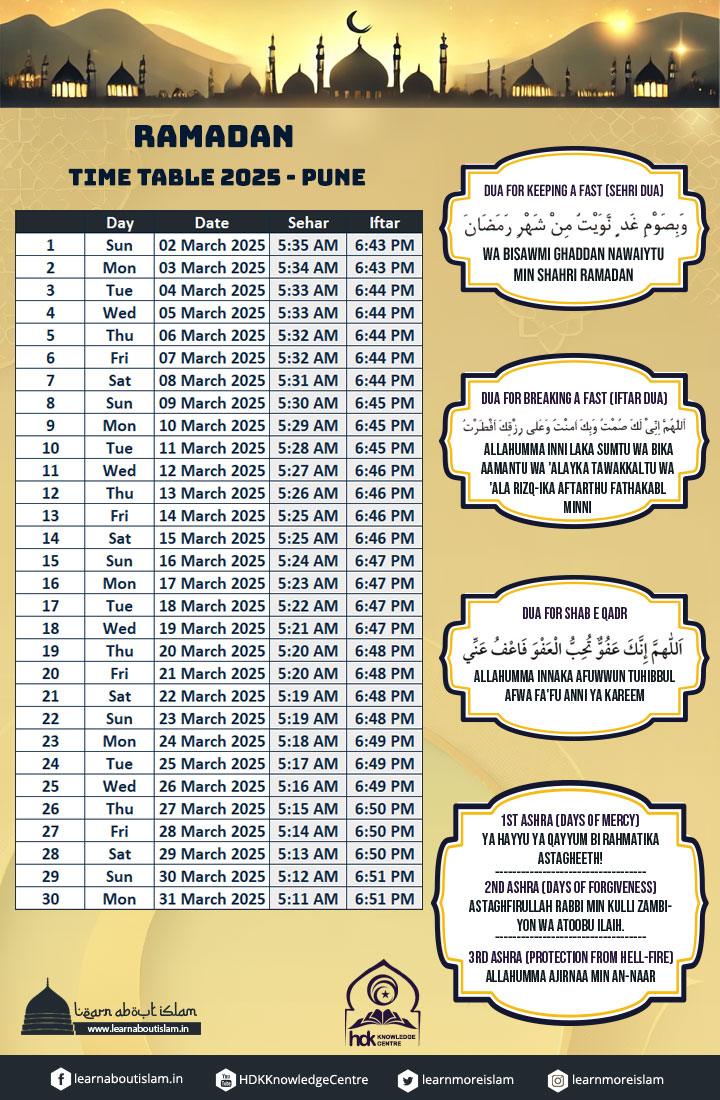
Iftar time today is an essential daily moment for millions of Muslims observing fasting, marking the permitted breaking of the fast at sunset. Accurate iftar times are important for personal worship, communal gatherings and for organisations arranging public services and hospitality. With variations in sunset across regions and differing methods for setting religious calendars, knowing the correct local time for iftar helps communities maintain shared practice and avoid confusion.
Main body: How iftar time is determined and where to check
What determines iftar time?
Iftar coincides with Maghrib, the evening prayer that begins at local sunset. Because sunset times change with latitude, longitude and time of year, iftar time today will differ from one town to another. Two commonly used approaches determine the timing: direct observation of the sun’s position and standardised astronomical calculations converted into local prayer timetables.
Differences in practice
Across communities, there are variations in how calendars are set. Some communities rely on local moon-sighting to establish the start of the fasting month and may publish iftar schedules aligned with that view. Others follow calculated calendars produced by recognised Islamic organisations or observatories, which apply astronomical data to produce consistent daily times.
Where to get reliable iftar times today
To confirm iftar time today, people commonly consult official announcements from local mosques or national Islamic councils, published prayer timetables from trusted organisations, and reputable smartphone apps that use local coordinates and recognised calculation methods. Local community centres and mosque noticeboards also publish printed schedules during the fasting month.
Conclusion: Practical significance and advice for readers
Accurate knowledge of iftar time today supports religious observance, communal iftars and logistical planning for businesses and services. As reliance on digital timetables grows, readers should use trusted sources — local mosque announcements, national Islamic authorities or reputable apps — and be aware of whether their community follows moon-sighting or calculated timetables. Checking local sources shortly before sunset ensures the most reliable guidance for breaking the fast.