

Why Ghosts Continue to Capture Public Interest
Introduction: Why ghosts matter
Ghosts remain a prominent subject across cultures, media and tourism, drawing curiosity from sceptics and believers alike. Discussion of ghosts touches on broader themes—memory, mortality, culture and the limits of scientific explanation—making the topic relevant to readers interested in history, psychology and social trends.
Main body
Cultural and historical presence
References to spirits and apparitions are widespread in folklore, religion and literature. Stories of ghosts have been used to explain unexplained events, transmit moral lessons, or preserve historical memory. Across different societies, accounts vary in form and meaning but commonly reflect social values and fears of their times.
Media, entertainment and tourism
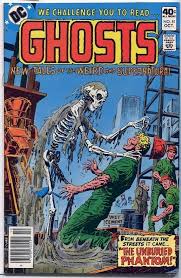
Ghosts are a staple of fiction, film and television, where they serve as devices for suspense, horror and reflection. Paranormal-themed programmes and haunted-house attractions have also helped to commercialise interest in ghosts, contributing to heritage tourism at locations marketed as haunted. These ventures often blend historical information with local legend, offering visitors an experiential way to engage with the past.
Scientific and psychological perspectives
From a scientific viewpoint, there is no conclusive evidence that ghosts exist as supernatural entities. Researchers and sceptics typically attribute experiences described as hauntings to psychological, neurological and environmental factors—such as suggestion, sleep disturbances, perceptual errors, low-frequency sound, and electromagnetic influences. Cognitive science explains how memory and expectation can shape perception, while investigations emphasise the need for rigorous methods when evaluating paranormal claims.
Social and personal significance
For many people, belief in ghosts intersects with bereavement and the comfort of perceived ongoing relationships with deceased loved ones. For others, ghost stories serve as communal entertainment or a means of keeping local histories alive. The topic therefore operates at both personal and collective levels.
Conclusion
Ghosts are likely to remain part of cultural discourse due to their deep roots in storytelling and human concerns about death and meaning. While scientific inquiry continues to challenge claims of the supernatural, interest in ghosts will persist through media, tourism and personal narratives. Readers should approach such accounts with curiosity and critical thinking, recognising the distinction between folklore, entertainment and empirically supported explanation.