

Understanding Trick or Treat: Traditions and Safety Tips
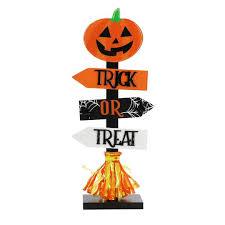
The Significance of Trick or Treat
As Halloween approaches each year, the tradition of trick or treating becomes a focal point of celebration for children and families alike. Originating from ancient Celtic customs, this practice has evolved into a beloved festive activity marked by costumes, candy, and community engagement. Understanding the importance of trick or treating not only enriches the Halloween experience but also emphasises the cultural significance of togetherness and fun.
Origins and Evolution
Trick or treating can trace its roots back to the ancient festival of Samhain, celebrated by the Celts over 2,000 years ago. During this festival, it was believed that the boundary between the living and the dead blurred, and people would light bonfires and wear costumes to ward off ghosts. The practice of going door-to-door for food and treats likely stemmed from medieval customs, where the poor would pray for food in exchange for blessings on Hallowmas.
Modern Celebrations
Today, trick or treating typically occurs on the evening of October 31st. Children dress in costumes ranging from spooky to whimsical, travelling from house to house in their neighbourhoods and shouting “trick or treat!” at each door. Homeowners often prepare by decorating their houses and providing a variety of candy and snacks to share with the young trick-or-treaters. In recent years, communities have also embraced safe and inclusive alternatives, such as organised trick-or-treating events in parks or community centres.
Safety Tips for a Fun Experience
While trick or treating is a joyous occasion, safety is paramount. Parents and guardians are encouraged to keep the following tips in mind:
- Costume Safety: Ensure costumes are flame-resistant, well-fitting, and equipped with reflective material for visibility.
- Accompanied Outings: Younger children should always be accompanied by an adult, while older children should preferably travel in groups.
- Plan a Route: Map out a well-lit route within familiar neighbourhoods and set a specific time frame for activities.
- Food Safety: Inspect all treats for tampering and discard any non-packaged items.
Conclusion
Trick or treating continues to be a cherished Halloween tradition that fosters community spirit and childhood joy. By understanding its historical roots and taking safety precautions, families can create lasting memories while ensuring a fun and secure experience. As participation in this festive activity grows, it’s crucial to maintain the balance between enjoyment and safety, making Halloween a delightful occasion for all.