

Chinese New Year 2026: Dates, Customs and What to Expect
Introduction: Why Chinese New Year 2026 matters
Chinese New Year 2026, the start of the Year of the Horse, is one of the world’s most widely observed cultural festivals. It remains important for millions of people because it marks a time for family reunion, reflection and traditional rituals that are believed to bring luck and prosperity for the year ahead. Understanding the dates and customs is relevant for travellers, multinational businesses and communities planning events or recognising public holidays.
Main events and customs
Dates and the lunar calendar
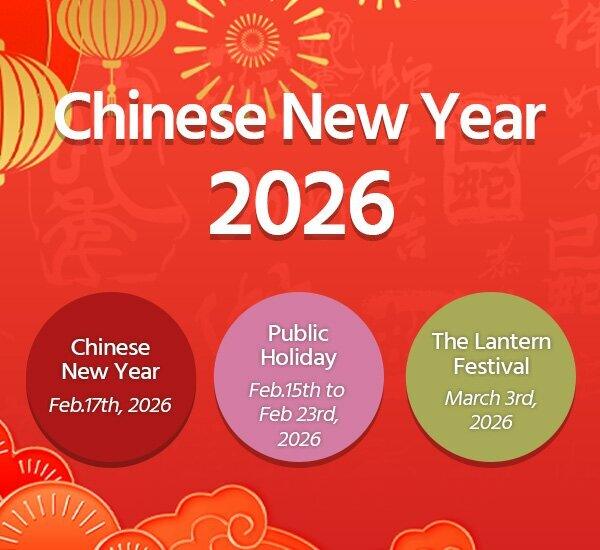
In 2026 the lunar new year period begins on Tuesday 17 February, with Chinese New Year’s Eve on 16 February. The full cycle of celebrations traditionally lasts until the Lantern Festival, which falls on 3 March 2026 — the date of the next full moon. Unlike the Gregorian calendar, the Chinese New Year follows the lunar calendar and therefore always occurs between 21 January and 20 February in the Gregorian year; in 2026 it falls in mid-February.
Year of the Horse
2026 is designated the Year of the Horse on the Chinese zodiac. Symbolically, the horse is associated with energy, independence and movement; such zodiac associations are used in horoscopes and cultural references throughout the festival period.
Traditional practices and public observance
Common customs include the family reunion dinner on New Year’s Eve, staying up until midnight (除夕 Chúxì) and offering well-wishes at the stroke of 12 to invite good fortune. The first day (初一 Chūyī) is traditionally for visiting and greeting senior family members, presenting gifts, and paying respects to ancestors—often including visits to graves. In some regions the public holiday for the Lunar New Year extends for eight days: from New Year’s Eve through to the seventh day of the lunar year, although exact holiday lengths vary by jurisdiction.
Conclusion: What readers should expect
For communities and individuals planning around chinese new year 2026, expect a peak of family-focused activity from 16–17 February and wider cultural events running until 3 March. Businesses and travellers should anticipate holiday closures in many areas and a focus on reunion and traditional observances. Observing these dates and customs helps visitors and organisations respect and participate in one of the most significant festivals in the lunar calendar.