

Ash Wednesday meaning — origins, practices and significance
Introduction
Ash Wednesday meaning is central to understanding the start of Lent in many Christian traditions. As the first day of the Lenten season, Ash Wednesday signals a period of reflection, repentance and preparation for Easter. Its importance lies in both personal spiritual renewal and communal liturgical rhythm, making it relevant to worshippers and observers of cultural traditions alike.
Origins and symbolism
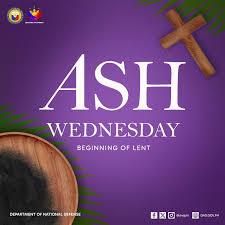
The practice of imposing ashes has ancient roots, drawing on biblical motifs of dust and repentance. Ashes used on Ash Wednesday are typically made by burning the previous year’s Palm Sunday palms. During services, a minister or priest marks a cross of ash on the forehead while speaking words such as “Remember that you are dust, and to dust you shall return” or “Repent, and believe in the Gospel.” These gestures symbolise human mortality and the call to turn away from sin.
Observances and liturgy
Ash Wednesday opens the liturgical season of Lent, traditionally a 40-day period of fasting and penitence before Easter. Technically, Lent comprises 40 weekdays of fasting, excluding Sundays, which is why Ash Wednesday falls 46 days before Easter Sunday. Observance varies across denominations: Roman Catholics, Anglicans, Lutherans and some Methodists commonly hold Ash Wednesday services; other Protestant communities may mark the day in different ways or not at all.
Fasting and abstinence
In the Catholic Church, Ash Wednesday and Good Friday are days of fasting and abstinence. Canon law generally directs those aged 18–59 to observe fasting (one full meal and two smaller meals) and those aged 14 and older to observe abstinence from meat. Local churches and individual believers adapt disciplines according to conscience and health.
Conclusion
Understanding the ash wednesday meaning helps readers recognise why the day remains significant across Christian communities: it is both a solemn reminder of human fragility and an invitation to spiritual renewal. For believers, Ash Wednesday sets the tone for a season of reflection and disciplined practice; for the wider public, it offers a cultural moment for contemplation. Those interested should check local church times for services and consider how the season’s themes might inform personal reflection in the weeks leading to Easter.