

Chinese New Year 2026: Welcoming the Year of the Fire Horse with Ancient Traditions
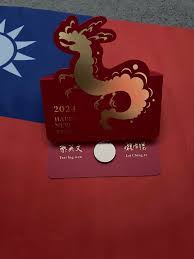
The Global Significance of Chinese New Year
Chinese New Year, also known as Lunar New Year or Spring Festival, is the most important festival in China and a major event in some other East Asian countries. The Chinese New Year in 2026 will fall on February 17, marking the 4723rd year according to the Eastern calendar. This ancient celebration transcends geographical boundaries, bringing together families and communities worldwide in a shared expression of cultural heritage and hope for the year ahead.
Celebrated by millions around the world, this is a time for cultural traditions, family reunions, and hopes for good fortune in the coming year. Chinese New Year is also celebrated worldwide in regions and countries with significant overseas Chinese or Sinophone populations, especially in Southeast Asia, including Australia, Singapore, Brunei, Cambodia, Indonesia, Malaysia, Myanmar, the Philippines, and Thailand. The festival’s global reach demonstrates its enduring relevance as a celebration of renewal, prosperity, and family unity.
The Year of the Fire Horse: Symbolism and Energy
Chinese New Year 2026 falls on Tuesday, February 17th, starting a year of the Fire Horse. The year 2026 will be under the sign of the Fire Horse. In Chinese culture, the Horse symbolizes speed, freedom, and diligence, and the element of Fire adds energy and emotionality to the year. This combination promises a dynamic period characterized by enthusiasm and forward momentum.
The Year of the Fire Horse thus makes a comeback for the first time since 1966. The horse is a symbol of freedom, intelligence, power and enthusiasm. Those born in Horse years are believed to embody these qualities, and 2026 is expected to carry this vibrant energy throughout its twelve-month cycle.
Ancient Traditions and Modern Celebrations
The Chinese New Year begins on the second new moon after the winter solstice. Since the solstice in 2025 falls on December 21, the new year according to the Eastern calendar will begin on February 17, 2026. Celebrations of Chinese New Year traditionally last for 16 days, starting from Chinese New Year’s Eve to the Lantern Festival.
It is because of the legend of Nian that during the Chinese New Year, people wear red clothes, decorate their homes with red decorations, and give gifts in red envelopes, believing that this helps ward off evil spirits and brings good luck in the new year. Firecrackers and fireworks are traditionally used to scare away evil spirits and welcome the New Year with noise and excitement. Lion and dragon dances are performed in streets and public spaces, adding energy and color to the celebrations.
At the heart of Lunar New Year celebrations is the reunion dinner on Lunar New Year’s Eve, which falls on February 16th, 2026. A traditional reunion dinner has many dishes, including steamed or fried fish, rice cakes and balls, noodles and dumplings. Each dish carries symbolic meaning, with fish representing abundance and dumplings symbolizing wealth and family unity.
Looking Forward: The Significance for 2026
At its core, Chinese New Year 2026 symbolizes the transition from the old to the new. It is believed that actions taken during this period influence luck, prosperity, and happiness for the year ahead. The celebrations will last two weeks, concluding on March 3.
For the global Chinese diaspora and those who embrace this cultural celebration, Chinese New Year 2026 represents more than a calendar change. While deeply rooted in Chinese culture, Chinese New Year 2026 is a global celebration. Major cities across Asia, Europe, North America, and Australia host parades, cultural performances, and community events. In multicultural societies, the festival has become an opportunity for cultural exchange, allowing people of different backgrounds to participate in and appreciate its traditions.
As the world prepares to welcome the Year of the Fire Horse, the enduring traditions of Chinese New Year continue to unite generations, honour ancestral wisdom, and inspire optimism for the future. Whether celebrated in Beijing, London, Sydney, or San Francisco, this ancient festival remains a powerful reminder of the universal human desires for prosperity, health, and togetherness.