

Happy Lohri 2026: Celebrating the Harvest Festival with Warmth and Tradition
Introduction: The Significance of Lohri 2026
Lohri 2026 will be celebrated on Tuesday, January 13, marking one of North India’s most beloved winter festivals. This harvest festival marks the end of winter and the beginning of longer days, observed with great enthusiasm in Punjab and northern India as a time to express gratitude, spread warmth, and celebrate togetherness. For millions of families across the region and the diaspora worldwide, Lohri represents hope, renewal, and the promise of agricultural prosperity as communities gather around bonfires to welcome the sun’s northward journey.
The Cultural and Agricultural Importance
Lohri holds deep cultural meaning, especially in Punjab and neighbouring regions, celebrating the end of winter and the northward journey of the Sun, symbolising hope, renewal, and prosperity, while absorbing rich layers of Sikh, Hindu and regional folk traditions. The festival is linked to agrarian traditions, celebrating the harvesting of rabi crops such as wheat, sugarcane, and mustard, with people thanking nature, the Sun, and the earth for agricultural prosperity.
The festival holds significant importance for farmers as it celebrates the harvest of rabi crops, and is viewed as an auspicious occasion for new beginnings, where families celebrate with extra enthusiasm when welcoming a newborn child or commemorating the first Lohri of newlyweds, symbolising prosperity, fertility, and happiness.
Traditional Celebrations and Rituals
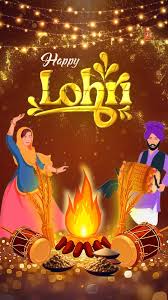
Lohri 2026 will be celebrated on Tuesday, January 13, with main festivities taking place in the evening, as families and communities gather around bonfires, sing traditional folk songs, and perform vibrant dances such as bhangra and gidda, while offerings like sesame seeds, peanuts, jaggery, and popcorn are thrown into the fire as a mark of gratitude.
In 2026, the auspicious time for lighting the Lohri fire begins at 5:43 pm on January 13 and continues until 7:15 pm, during which the bonfire is lit and people traditionally circumambulate it seven or eleven times. Lohri is closely associated with Punjabi folklore, especially the legend of Dulla Bhatti, a folk hero from the Mughal period remembered for his bravery and generosity in protecting the poor, with traditional Lohri songs often mentioning his name to keep alive values of courage, justice, and compassion.
Spreading Joy with Lohri Wishes
Sharing heartfelt Happy Lohri 2026 images, wishes, quotes, and status messages on WhatsApp, Facebook, Instagram, and X (Twitter) is a perfect way to keep the festive spirit alive with friends and family, whether near or far. Across Punjab, Haryana, Delhi and other parts of North India, preparations are underway, with many planning to extend festivities into the following day when Makar Sankranti is celebrated, with traditional sweets like til laddoos and gajak, lively folk songs and dances promising another warm and colourful welcome to the harvest season.
Conclusion: A Festival of Unity and Gratitude
Lohri 2026 is more than a festival—it is a celebration of life, gratitude, and togetherness, as bonfires light up winter nights on January 13, continuing to unite communities, honour farmers, and welcome new beginnings with warmth and hope. In today’s chaotic and busy life, it continues to remind people of the importance of gratitude, peace, and harmony with nature, bringing families and neighbours together to share the simple joys of life. As we exchange Lohri wishes and gather around the sacred fire, we reaffirm our connection to tradition, community, and the cycles of nature that sustain us all.