

Hindu New Year 2025: Significance and Celebrations
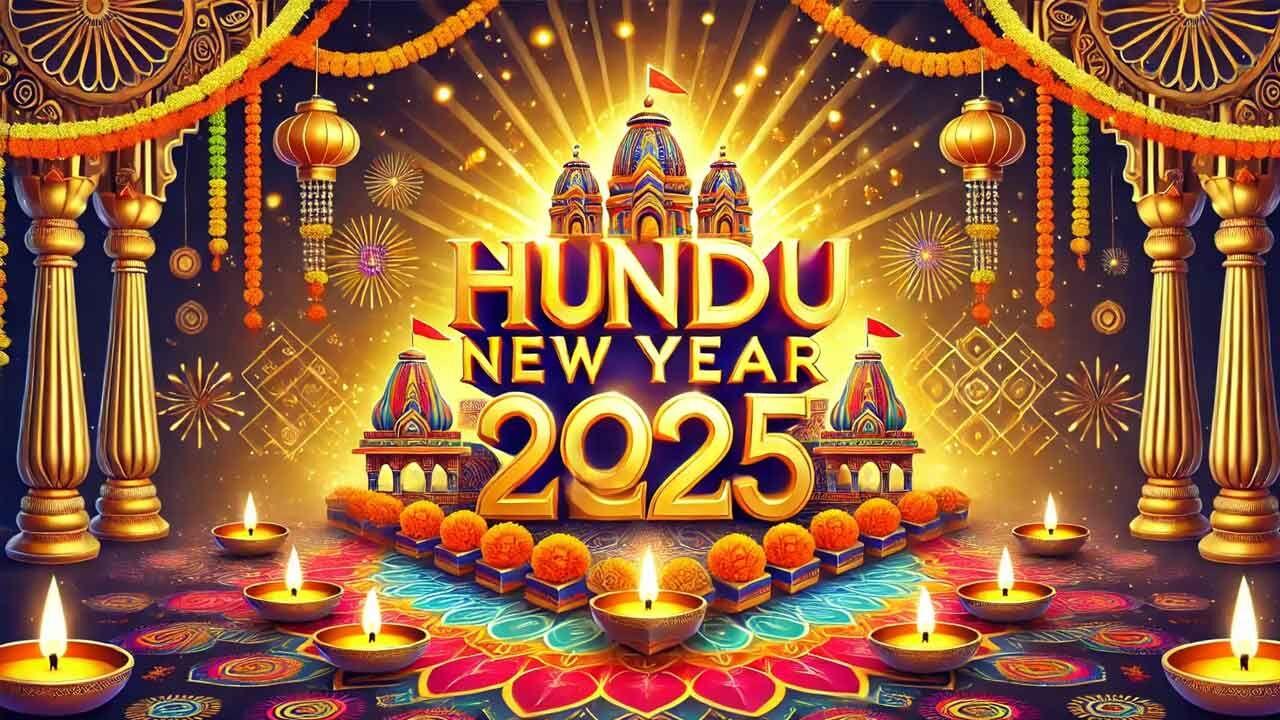
Introduction to Hindu New Year 2025
The Hindu New Year, also known as ‘Chaitra Shukla Pratipada’, marks the beginning of the lunar calendar in various regions of India and holds immense cultural and religious significance. Celebrated with zeal and enthusiasm, the Hindu New Year in 2025 falls on March 29, making it an important date for millions of devotees and families. This festival is a time to reflect on the past year and embrace new beginnings, symbolising hope and prosperity for the forthcoming year.
Historical and Cultural Context
The celebration of the Hindu New Year is rooted in ancient traditions and customs. It is observed in various forms across India, including Gudi Padwa in Maharashtra, Ugadi in Karnataka, and Baisakhi in Punjab. Each region has its unique rituals and traditions, but the essence remains the same—marking the start of the new year with prayers, feasting, and family gatherings. The day is often deemed auspicious for new ventures, housewarming ceremonies, and marriages, further emphasising the significance of fresh starts.
Celebrations in 2025
In 2025, the Hindu New Year is expected to witness vibrant celebrations across the globe, particularly in regions with significant Hindu populations. Temples will be adorned with decorations, and devotees will partake in special prayers and rituals to invoke blessings for peace and prosperity. Traditional dishes, sweets, and special meals will be prepared, connecting families and communities in celebration.
The Role of Rituals
Certain rituals are an integral part of the Hindu New Year celebrations. Families often clean and decorate their homes, symbolising the removal of negativity and the welcoming of positivity. New clothes are worn, and exchanges of gifts between friends and family are common. Additionally, many choose to perform ‘Puja’, a prayer ceremony to honour deities and seek blessings for health and well-being.
Conclusion and Significance
The Hindu New Year 2025 represents not just a change in the calendar but a cultural awakening, where individuals reconnect with their heritage and traditions. It serves as a reminder of hope, resilience, and the importance of family bonds in the face of an ever-evolving world. As communities prepare for this joyous occasion, the observance of this festival will undoubtedly foster unity and a renewed spirit of optimism for the future.