

The Banshee: A Deep Dive into Irish Folklore
Introduction to the Banshee
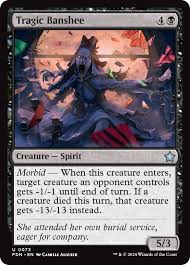
The banshee is a spectral figure in Irish folklore, revered and feared for her mournful wailing that is said to presage death. This mythical being holds significant cultural importance in Ireland and has captured the imagination of many, inspiring countless stories and adaptations in popular media. Understanding the banshee helps to unveil the rich tapestry of Irish mythology and the cultural beliefs surrounding death and the afterlife.
Origins and Characteristics
Traditionally, the banshee is depicted as a woman, often described as having long hair and a flowing white or grey gown. Some portrayals present her as beautiful, while others take on a more ghastly appearance. Her name, derived from the Irish ‘bean sí’ meaning ‘woman of the fairy mound,’ hints at her connection to the supernatural realms. Banshees are often associated with the families of ancient Gaelic nobility, with stories suggesting that each family has its own banshee who mourns their deceased.
Modern Interpretations
The banshee’s influence stretches beyond folklore into literature, television shows, and films, which often blend traditional depictions with new interpretations. Modern portrayals focus not only on her role as a harbinger of death but also explore her emotional depth, leading to the emergence of more sympathetic views of the banshee’s character. For example, in contemporary TV series like “American Horror Story” and films such as “The Secret of Kells,” the banshee is reimagined, while retaining her roots in despair and loss.
Connection with Cultural Practices
In addition to her presence in stories, the banshee’s lamentation has significant implications in Irish culture, representing the mourning process. The practice of keening – a traditional form of vocal lament – bears a close resemblance to the banshee’s wail, linking her myth to real-life customs surrounding death and grief. This cultural aspect highlights the importance of remembering and honouring the deceased within Irish communities.
Conclusion: The Banshee’s Legacy
The banshee remains a vital component of Irish folklore, bridging the ancient with the contemporary. As she continues to evolve in modern storytelling, the banshee serves as a reminder of the universal themes of love, loss, and the human experience of mourning. For readers, understanding the significance of the banshee can enrich one’s appreciation of Irish heritage while acknowledging how folklore adapts and transforms over time, allowing it to remain relevant and captivating.