

Understanding the Day of the Dead: A Rich Cultural Tradition
Introduction
The Day of the Dead, or ‘Día de los Muertos’, is a vibrant and significant celebration that occurs annually, primarily in Mexico, on the 1st and 2nd of November. This unique festival, which intertwines indigenous traditions and Catholic beliefs, serves to honour and remember deceased loved ones, bringing families together in a joyful remembrance of life rather than a somber occasion. In light of the recent global pandemic, the significance of this celebration has evolved, highlighting themes of grief, loss, and resilience, making it more relevant than ever.
Historical Context
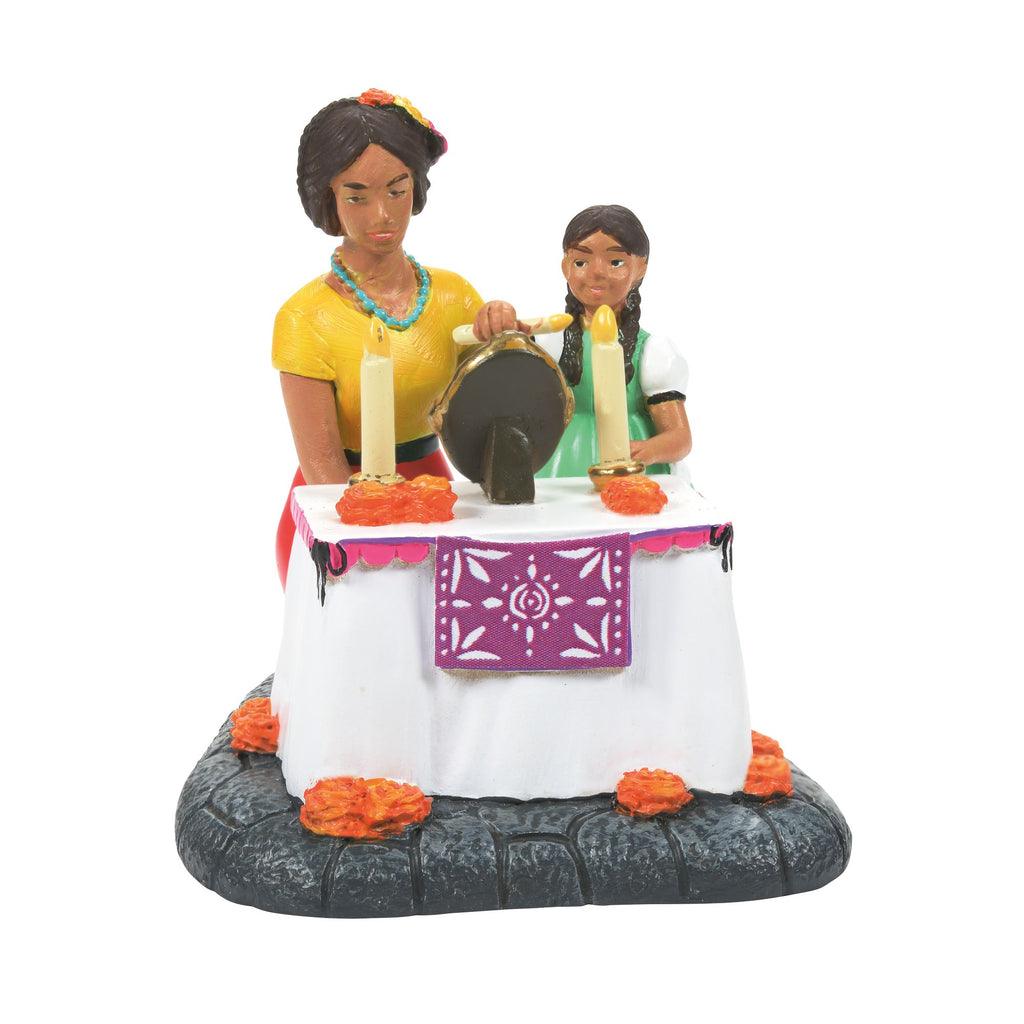
The origins of the Day of the Dead can be traced back to the Aztec civilisation, which viewed death as a part of the life cycle. The festival’s modern version combines indigenous customs with Spanish influences brought about during the colonial period. It is marked by offerings, or ‘ofrendas’, which are created to invite the spirits of the deceased to join in the festivities. Typical offerings include food, photographs, flowers (especially marigolds), and personal items that belonged to the departed.
Events and Traditions
Across Mexico, communities engage in a variety of events to commemorate the Day of the Dead. Streets and cemeteries become lively with decorations, as altars are set up to honour the deceased. Festivities include parades, calaveras (sugar skulls), and vibrant costumes featuring skull motifs. In the town of Oaxaca and Mexico City, large-scale parades attract thousands of participants and tourists alike, showcasing traditional dances and music. The COVID-19 pandemic has altered how some communities celebrate, with virtual gatherings and smaller, intimate ceremonies taking precedence in 2020 and 2021.
Current Relevance and Cultural Significance
In recent years, the Day of the Dead has gained international recognition, with UNESCO designating it as an Intangible Cultural Heritage of Humanity in 2008. This acknowledgment has sparked interest beyond Mexican borders, with celebrations emerging in countries like the USA and Canada, where large Mexican populations reside. The festival’s emphasis on celebrating life, reflecting on mortality, and fostering connections between the living and the dead resonates with many people worldwide, particularly during times of loss and uncertainty, such as during the pandemic.
Conclusion
The Day of the Dead remains an essential cultural expression and a meaningful reminder of the cyclical nature of life and death. As communities continue to adapt their celebrations, this vibrant festival serves as a testament to the enduring strength of tradition and the human spirit’s ability to connect through shared experiences of love and remembrance. For readers, understanding this celebration invites deeper appreciation for cultural diversity and the ways in which communities cope with loss and celebrate life.