

Lauren Booth Faces Outrage After Controversial Comments on October 7 Hamas Attacks
Introduction: A Controversial Statement Emerges
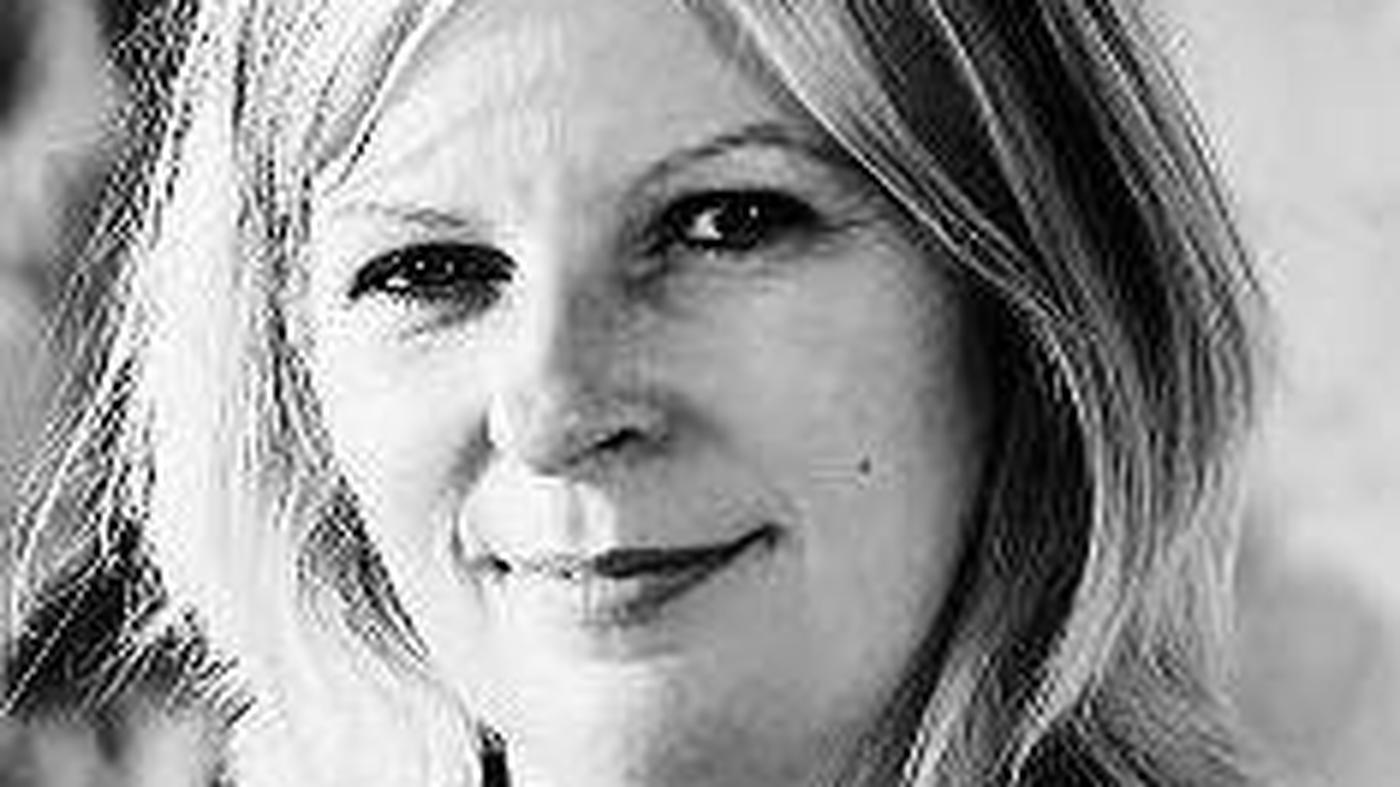
Lauren Booth, the 58-year-old half-sister of Cherie Blair, is a British-born journalist who converted to Islam and now resides in Istanbul. In recent days, she has become the centre of a significant controversy following comments made in a Turkish media interview that have sparked widespread condemnation across the United Kingdom and beyond. The incident highlights ongoing tensions surrounding public discourse about the Israeli-Palestinian conflict and the boundaries of acceptable commentary on terrorist attacks.
The Remarks That Sparked Outrage
The remarks were made in a recently surfaced video interview with Turkish newspaper Yeni Safak, where she described October 7 as ‘a legendary day in the Ummah’s history’. She also spoke of her ‘annoyance’ with Palestinians over what she viewed as their lack of determination to ‘hate all Jews or just take Jewish life’. 1,219 people were killed during Hamas’s attack on October 7 2023, with at least 810 of them civilians.
When asked about the remarks, Booth told the Daily Mail she continues to advocate for Palestinian rights and does not advocate for violence against any religious or racial group.
Legal and Political Ramifications
Lauren Booth could face scrutiny under UK terrorism legislation after describing the Hamas-led 7 October attacks as a ‘legendary day’, UK Lawyers for Israel (UKLFI) has warned. However, legal action would be difficult while Booth remains outside the UK, and it would not be possible to prosecute her unless she is extradited.
The controversy comes amid heightened concern within the Jewish community over public figures appearing to legitimise or glorify Hamas atrocities at a time of sharply rising antisemitism in the UK.
Conclusion: Significance for Public Discourse
This incident underscores the highly sensitive nature of public commentary on the Israeli-Palestinian conflict, particularly regarding acts of terrorism that resulted in significant civilian casualties. The case raises important questions about freedom of expression, the responsibilities of public figures, and the potential legal consequences of statements perceived as supporting proscribed terrorist organisations. As Booth remains in Turkey, the practical enforcement of UK terrorism legislation remains uncertain, but the incident has reignited debates about hate speech, radicalisation, and community cohesion in Britain.