

Statue of Liberty Makes Headlines: Replica Collapse and Diplomatic Debates
Introduction: An Icon Under the Spotlight
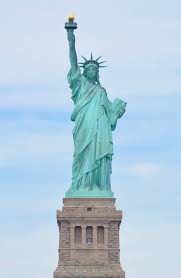
The Statue of Liberty, one of the world’s most recognisable monuments, has recently captured international attention for reasons beyond its historic significance. The statue was a gift from France to the U.S. in the 1880s, celebrating their friendship and the anniversary of U.S. independence, and it continues to serve as a powerful symbol of freedom and democracy. Recent events involving both the original monument and its replicas have sparked global conversations about its enduring meaning in modern times.
Brazilian Replica Collapses in Severe Storm
On 15 December 2025, dramatic footage emerged from southern Brazil showing a 115-foot replica of the Statue of Liberty outside a Havan megastore in southern Brazil toppling during a powerful storm. Wind gusts reached 50 to 56 miles per hour as the severe weather system swept through Guaíba in Rio Grande do Sul state. The replica, nearly 24 meters tall, was installed in 2020 as a promotional symbol for a Brazilian retail store chain called Havan.
The dramatic collapse, captured on video, quickly went viral on social media platforms. Multiple videos showed the replica slowly leaning forward before crashing into an empty parking lot. Fortunately, no injuries were reported in the statue collapse, though the incident highlighted the dangers posed by increasingly volatile weather in southern Brazil, where extreme heat followed by cold fronts has triggered severe storms, hail and strong winds.
Diplomatic Controversy Over Symbol’s Meaning
Earlier this year, the Statue of Liberty became the centre of a diplomatic discussion when French politician Raphael Glucksmann said the US should return the Statue of Liberty for ‘taking the side of tyrants.’ The European Parliament member made these comments at a rally Sunday. Glucksmann clarified his comments were symbolic, referencing concerns about President Trump’s approach to Ukraine and Russia.
The comments sparked a heated response, with the White House press secretary responding by saying it was only because of the US “that the French are not speaking German right now, so they should be very grateful to our great country.” This exchange underscored the statue’s continued relevance as a symbol of shared democratic values between nations.
Conclusion: An Enduring Symbol in Changing Times
The statue was officially unveiled in 1886 in New York Harbor, where its raised torch and inscribed words of welcome greeted the millions of immigrants who arrived at Ellis Island in the late 19th and early 20th centuries. It has endured as a global symbol of freedom, patriotism and democracy. Whether weathering actual storms or serving as the focal point of political debate, the Statue of Liberty remains a powerful emblem whose meaning continues to resonate across borders and generations, reminding us of the values it was designed to represent.