

Practical cybersecurity tips to protect your data
Introduction: Why cybersecurity tips matter
Cybersecurity tips are essential guidance for protecting devices, accounts and sensitive data from increasingly sophisticated threats. As more daily tasks move online, from banking to remote work, simple precautions can reduce the risk of fraud, identity theft and data loss. This article outlines clear, practical tips that individuals and organisations can apply immediately.
Main advice and best practices
Strong passwords and multi-factor authentication
Use unique, complex passwords for each account and consider a reputable password manager to store them. Wherever possible enable multi-factor authentication (MFA) to add a second verification layer—this greatly reduces the chance of unauthorised access even if a password is compromised.
Keep software and devices up to date
Install updates for operating systems, browsers and apps promptly. Security patches fix known vulnerabilities that attackers often exploit. Enable automatic updates where available, and restart devices regularly to ensure patches are applied.
Back up important data
Regular backups protect against hardware failure, ransomware or accidental deletion. Keep at least one offline or offsite copy and test backups periodically to confirm files can be restored.
Safe browsing and email habits
Be cautious with links and attachments—phishing remains a common attack vector. Verify the sender’s address, hover over links to see the destination, and avoid entering credentials on unfamiliar sites. When in doubt, contact the organisation directly using official contact information.
Secure your network and devices
Use a strong, unique password for your Wi‑Fi network and consider separating guest access from primary devices. Enable device encryption and screen locks on phones, tablets and laptops. For organisations, apply network segmentation and limit administrative privileges.
Educate and prepare
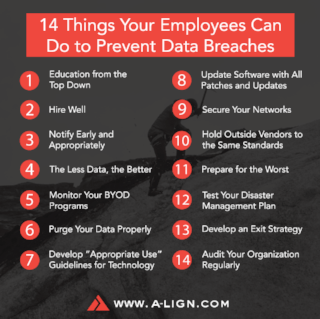
Regular training and clear incident response plans help individuals and teams recognise threats and act swiftly. Familiarity with common scams and reporting channels reduces harm and supports broader security efforts.
Conclusion: Practical significance and next steps
Applying these cybersecurity tips can significantly lower risk and improve resilience. Start with strong passwords, updates and backups, and build a habit of cautious online behaviour. For organisations, combine technical controls with staff training and a tested response plan to manage evolving threats. Small, consistent steps make digital life safer for everyone.