

What is a data breach and why it matters
Introduction
Understanding what is a data breach is increasingly important as more of our personal and business lives move online. Data breaches can expose sensitive information, disrupt services and carry legal and financial consequences for organisations and individuals. Clear awareness helps readers recognise the risks and take appropriate steps to reduce harm.
What is a data breach?
A data breach occurs when confidential or protected information is accessed, disclosed, altered or destroyed without authorisation. This can affect personal data (such as names, addresses, financial details and national identifiers), corporate intellectual property, or any information that an organisation is expected to keep secure.
Common causes
Typical causes of data breaches include unauthorised access through cyberattacks (for example, phishing or exploiting software vulnerabilities), accidental disclosure (such as emailing the wrong recipient), loss or theft of devices, and internal errors or misuse. Human error and inadequate security controls remain frequent contributors.
Consequences
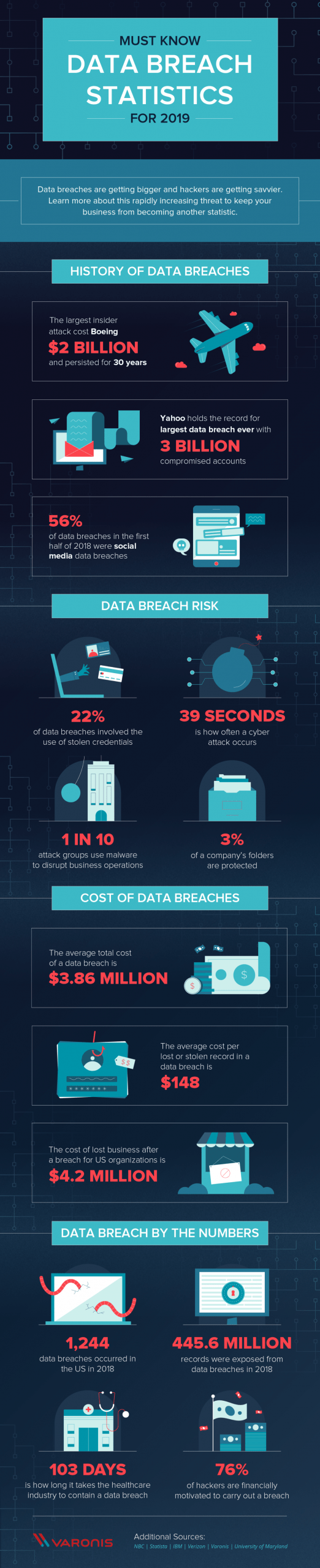
The consequences of a data breach can be wide-ranging: individuals may face identity theft or financial loss; organisations can suffer reputational damage, lost business and operational disruption. Regulators may impose significant penalties under data protection regimes such as the UK GDPR, and organisations often incur costs for investigation, remediation and legal fees.
Detection and response
Prompt detection and a coordinated response are essential. Best practice includes maintaining an incident response plan, conducting forensic investigations to determine scope, notifying affected individuals and, where required, reporting to the relevant data protection authority. Under GDPR and the UK equivalent, organisations must generally report qualifying breaches to the regulator within 72 hours of becoming aware.
Conclusion
Knowing what is a data breach helps organisations prioritise security measures — including access controls, regular updates, staff training and incident planning — and helps individuals protect themselves through strong passwords, two-factor authentication and monitoring accounts. As digital dependence grows, breaches are likely to remain a key risk, making preparedness and swift, transparent response vital for reducing harm and preserving trust.