

What Is a Data Breach and Why It Matters
Introduction: Why understanding what a data breach matters
As organisations hold ever larger volumes of personal and commercial information, questions about what a data breach is and why it matters have moved from IT teams to boardrooms and households. A clear grasp of the term helps businesses meet legal duties, enables individuals to protect themselves, and shapes public confidence in services from banking to healthcare.
What is a data breach?
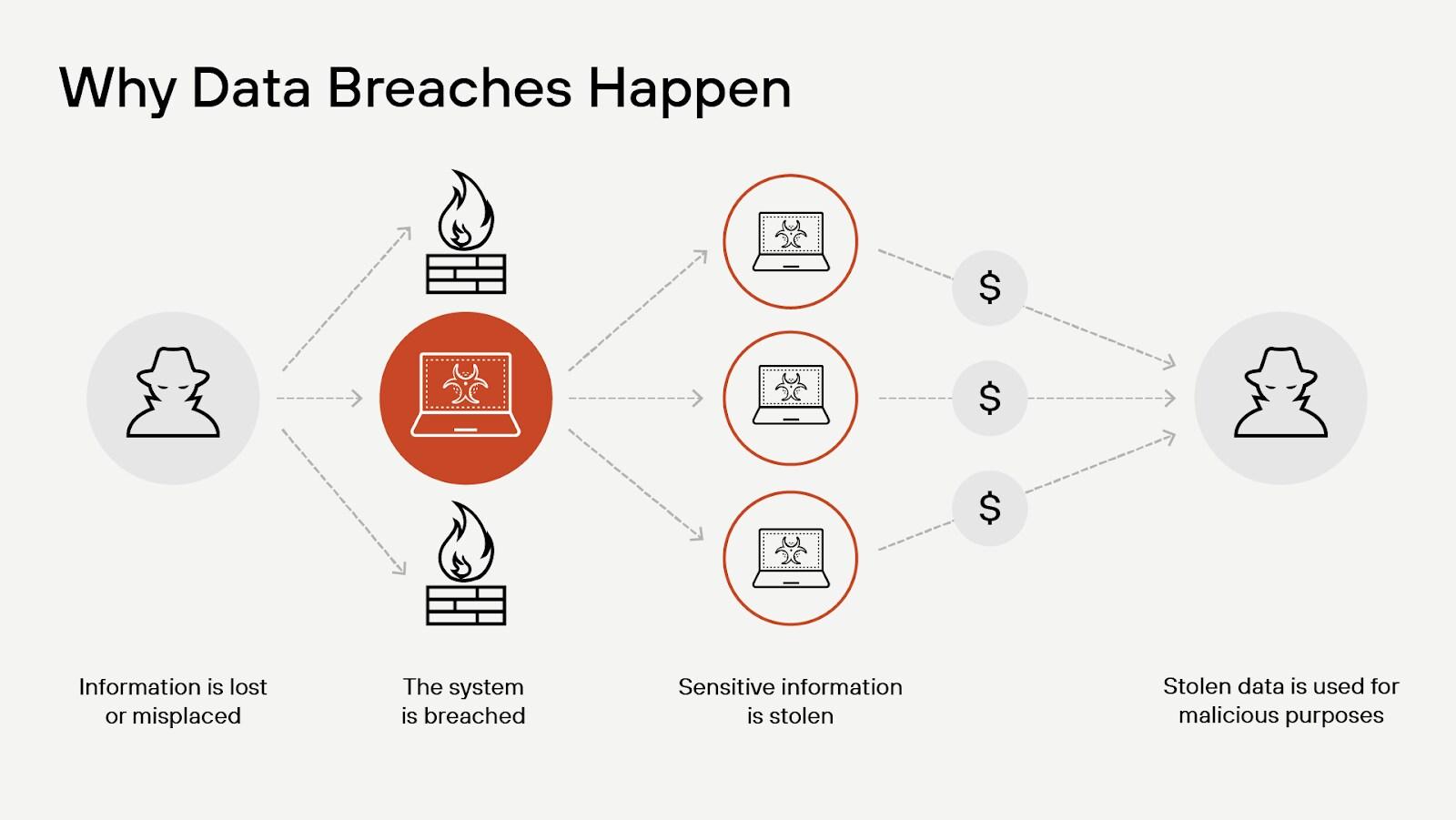
A data breach occurs when protected or sensitive information is accessed, disclosed, altered or destroyed without authorisation. This can involve personal data (names, addresses, financial details, health records), intellectual property or confidential business information. A breach can be accidental — for example, an email sent to the wrong recipient — or deliberate, such as a cyber‑attack that extracts large datasets.
Common causes and modes of attack
Typical causes include phishing, ransomware, exploitation of unpatched software, misconfigured cloud storage, lost or stolen devices, and human error. Cybercriminal groups often target high‑value repositories of data or exploit weak user credentials. Increasingly, supply‑chain vulnerabilities — where a smaller vendor with weaker defences provides a route into a larger organisation — are a significant vector.
Impact on individuals and organisations
Consequences vary by scale and sensitivity. Individuals may face identity theft, financial loss or privacy harms; organisations can suffer reputational damage, operational disruption and regulatory penalties. In the UK and EU, organisations must report certain breaches to supervisory authorities (such as the ICO) typically within 72 hours under data protection rules, and may face fines or enforcement action if obligations are not met.
Response, mitigation and future outlook
Effective response combines preparation and rapid action: detection, containment, forensic investigation, notification to affected parties and regulators where required, and remedial steps such as password resets and credit monitoring. Preventive measures include strong access controls, encryption, patch management, employee training and incident response planning. Analysts expect breaches to remain a persistent threat as attackers adapt, pushing organisations to increase investment in cybersecurity and regulatory oversight.
Conclusion: Practical significance for readers
Understanding what a data breach is empowers both organisations and individuals to take sensible precautions. For businesses, compliance and resilience are priorities; for individuals, vigilance over accounts and clear communication when incidents occur can reduce harm. As data remains a core asset of the digital economy, knowledge and preparedness are essential.