

What Is Phishing and How to Protect Yourself
Introduction: Why understanding phishing matters
Phishing is a widespread cyber threat that targets individuals and organisations by tricking them into revealing sensitive information. Understanding what phishing is and how it works is important because successful attacks can lead to financial loss, identity theft and breaches of private data. As digital communication grows, so does the relevance of recognising and resisting phishing attempts.
Main body
What is phishing?
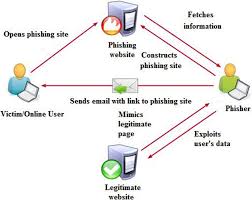
Phishing is a form of social engineering where attackers impersonate legitimate organisations, colleagues or contacts to persuade victims to surrender credentials, payment details or to execute malicious software. The attacker’s goal is to exploit trust and prompt a quick, unsafe response—such as clicking a link, opening an attachment or entering information on a fake website.
Common types of phishing
Attackers use several approaches depending on their target and intent:
- Email phishing: Mass emails designed to appear from banks, online services or employers.
- Spear phishing: Highly targeted messages that use personal details to increase credibility.
- Smishing and vishing: SMS (smishing) and voice calls (vishing) that impersonate trusted sources.
- Clone phishing: A genuine message is copied and altered to include malicious links or attachments.
How to recognise phishing
Warning signs include unexpected requests for credentials, poor grammar or spelling, mismatched sender addresses, URLs that differ from displayed text and pressure to act quickly. Hovering over links to check their true destination, verifying attachments before opening and contacting the sender via an independent channel are practical checks.
Practical protection measures
Defensive steps include enabling two-factor authentication, using strong, unique passwords (ideally via a password manager), keeping software and browsers up to date, and educating staff and family about phishing tactics. Many providers offer reporting tools to flag suspicious messages to their security teams.
Conclusion: Significance and outlook
Phishing remains one of the most common forms of cybercrime and continues to evolve in sophistication. Advances in automated tools and AI can make scams more convincing, so vigilance and good security habits are essential. By recognising the signs and following basic protective steps, readers can significantly reduce their risk and help limit the impact of phishing on themselves and their organisations.