

What Is Phishing and How to Protect Yourself
Introduction: Why ‘what is phishing’ matters
Phishing is one of the most prevalent online threats affecting individuals and organisations. Understanding what is phishing is important because these scams aim to steal personal data, credentials or money by impersonating trusted sources. As digital communication increases, so does the relevance of recognising phishing attempts to protect privacy, finances and workplace systems.
Main body: How phishing works and common signs
What phishing typically looks like
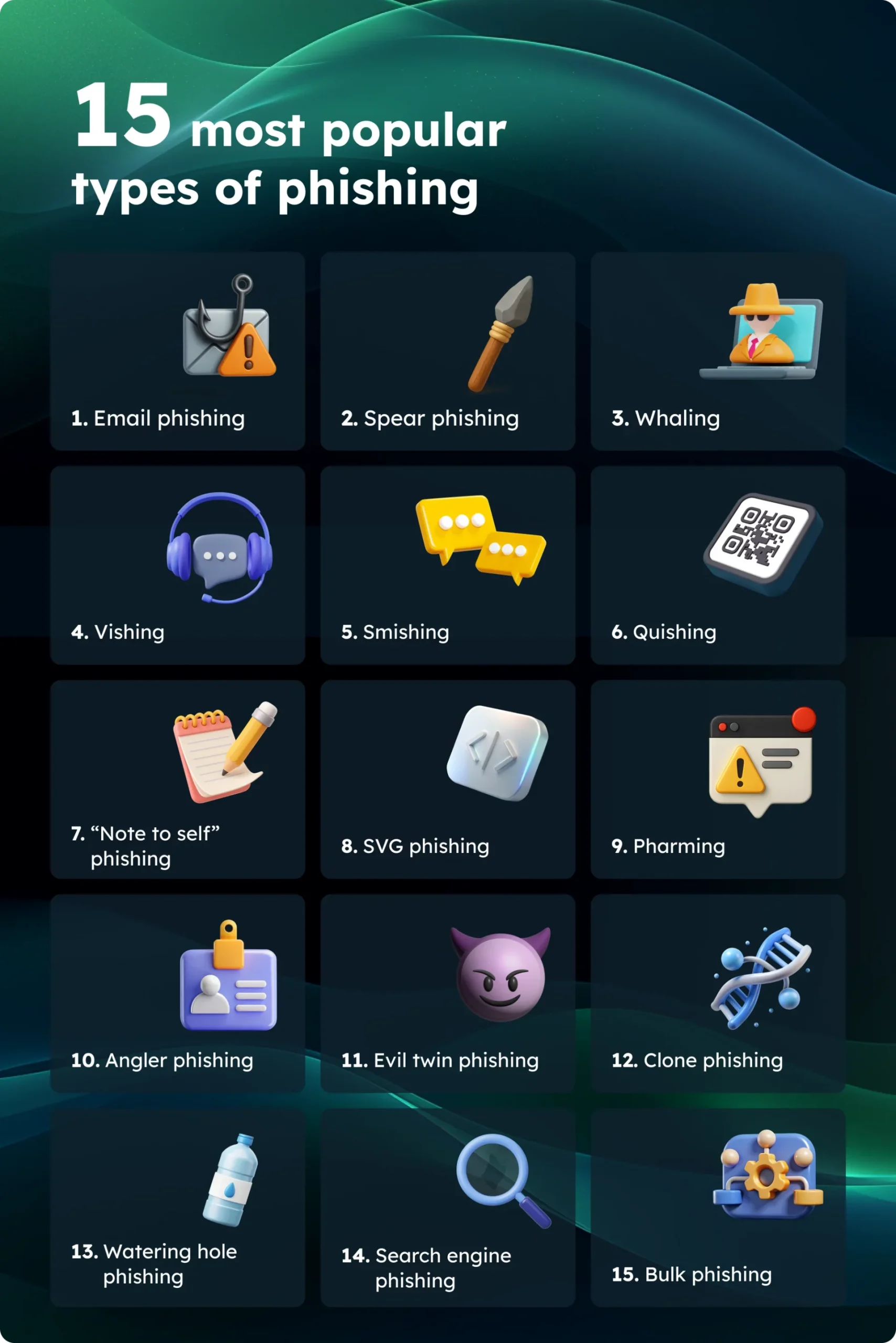
Phishing attacks commonly arrive by email, but also via text messages (smishing), voice calls (vishing), social media and fake websites. Attackers impersonate banks, colleagues, service providers or government bodies and ask recipients to click links, open attachments or provide login details.
Common tactics and variations
- Mass phishing: Broad, untargeted emails that rely on quantity to catch victims.
- Spear phishing: Targeted attacks using personal details to appear legitimate.
- Smishing and vishing: Phone-based scams that request urgent action or confidential information.
- Clone phishing: A genuine message is replicated with malicious links replacing legitimate ones.
Red flags to watch for
Typical warning signs include unexpected requests for sensitive information, urgent or threatening language, mismatched sender addresses, poor spelling and grammar, suspicious links or attachments, and offers that seem too good to be true. Hovering over links (without clicking) reveals the actual destination and can expose fraudulent URLs.
Conclusion: Practical steps and future outlook
Knowing what is phishing helps you spot and avoid scams. Simple precautions reduce risk: verify sender identity through separate channels, avoid clicking unknown links, enable multi-factor authentication, keep software updated, and report suspected phishing to your organisation or service provider. Organisations should provide regular training and use technical defences like email filtering and domain protection.
Phishing will continue to evolve as attackers refine social-engineering techniques. Staying informed, exercising caution with communications, and maintaining strong account security are the most effective ways for readers to limit exposure and protect their data going forward.