

Torvill and Dean: How a Bolero Changed Ice Dancing
Introduction: Why Torvill and Dean Still Matter
Few names in British sport evoke as immediate an image as Torvill and Dean. The ice-dance partnership of Jayne Torvill and Christopher Dean transformed competitive skating into a theatrical spectacle, reaching a global audience with a single free‑dance performance in the 1980s. Their work is important because it blurred the lines between sport and performance, raising expectations for artistry and storytelling in ice dance and influencing generations of skaters and choreographers.
Main body: Key facts, defining moments and lasting influence
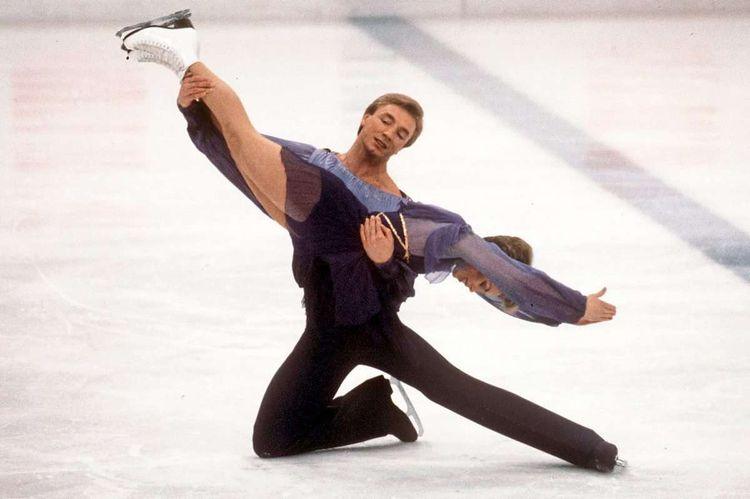
Torvill and Dean rose to international prominence at the 1984 Winter Olympics in Sarajevo. Their free dance to Maurice Ravel’s Boléro is the defining image of their career: a discipline‑changing routine that combined precise technique with cinematic staging. The performance earned them unprecedented marks, including a string of perfect scores, and delivered Olympic gold. Beyond that singular moment, the pair sustained a long professional partnership, touring with ice shows, creating new routines and maintaining a visible presence in British and international skating circles.
The duo’s approach emphasised continuous choreography, dramatic musical interpretation and a seamless partnership rather than isolated technical elements. This pushed judges, audiences and fellow athletes to rethink what ice dance could convey. Their routines are still studied by coaches and competitors for their attention to line, timing and expression.
Outside competition, Torvill and Dean have remained cultural figures in the UK. They have appeared in television programmes and stage productions, helping keep ice dance in the public eye between Olympic cycles. Because they combined competitive success with popular appeal, they helped broaden the sport’s audience, attracting people who might not otherwise follow figure skating.
Conclusion: Legacy and what it means for readers
Torvill and Dean’s legacy is both concrete and wide‑ranging. Their 1984 Boléro remains a reference point for excellence in ice dance, while their continued work in performance and media has kept the discipline visible and evolving. For readers, their story underlines how innovation in sport can shift cultural expectations and inspire future talent. As ice dance advances technically, the Torvill and Dean model—prioritising narrative, musicality and partnership—remains a touchstone for those seeking to combine athletic achievement with artistic impact.