

World Population in 2026: Understanding Global Demographic Shifts
The Significance of World Population Growth
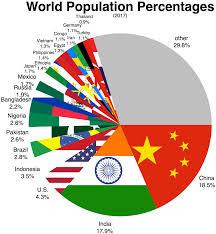
The world population stands as one of the most critical indicators of human development and global change. As of 1 January 2026, the population of the world was estimated to be 8,355,162,917, marking a significant milestone in human history. Understanding population trends is essential for addressing challenges related to resources, sustainability, healthcare, and economic development. The topic has gained increasing relevance as nations grapple with diverse demographic challenges, from ageing populations in developed countries to rapid growth in developing regions.
Current Population Statistics and Growth Patterns
Population in the world is growing at a rate of around 0.85% per year in 2025, representing a notable deceleration from previous decades. The current population increase is estimated at around 70 million people per year. This slowdown reflects profound changes in global fertility patterns. Fertility rates are declining, with women bearing, on average, one child less fewer than in 1990, resulting in a global fertility rate of 2.3 live births per woman as of 2024.
Regional variations are striking. India leads by a wide margin, with more than 23 million births expected in 2025—nearly one in six births globally. Meanwhile, Nigeria stands out with an estimated 7.6 million births in 2025, more than all of Europe combined, which is projected to see about 6.3 million. These disparities highlight how population growth remains concentrated in specific regions, particularly in Africa and parts of Asia.
Future Projections and Global Implications
Looking ahead, the world’s population is projected to continue growing for the next 50 to 60 years, peaking at approximately 10.3 billion by the mid-2080. After reaching this peak, it is expected to gradually decline to around 10.2 billion by the century’s end. While it took the global population 12 years to grow from 7 to 8 billion, it will take approximately 15 years—until 2037— for it to reach 9 billion, a sign that the overall growth rate of the global population is slowing.
The implications of these trends are far-reaching. The median age of the global population stands at 30.9 years old at the end of 2025, but this figure is rising as populations age in many countries. Europe and Central Asia and North America are experiencing population aging, whilst Sub-Saharan Africa maintains the world’s youngest population profile. These demographic shifts will influence labour markets, healthcare systems, pension schemes, and economic growth patterns worldwide.
Conclusion: Navigating Demographic Transitions
The world population milestone of 8.3 billion represents more than just a number—it reflects humanity’s journey through unprecedented demographic transformation. For readers, understanding these trends is crucial as they shape everything from government policies to personal planning. The slowing growth rate, declining fertility in most regions, and the contrast between ageing developed nations and youthful developing countries will define the challenges and opportunities of the coming decades. As we move towards a projected peak later this century, societies must adapt to changing demographic realities, ensuring sustainable development for all.