

Northey Island: Historic tidal isle and its ecological future
Introduction: Why Northey Island matters
Northey Island is a small tidal island in the Blackwater estuary near Maldon, Essex, whose significance extends beyond its modest size. The island is associated with the site of the 991 Battle of Maldon, is valued for its saltmarsh and estuarine habitats, and illustrates wider concerns about coastal heritage and climate resilience. Understanding Northey Island’s history and ecology is important for residents, visitors and policymakers facing rising sea levels and changing land use.
Main body
History and heritage
Northey Island is often linked in local memory and scholarship with the Anglo‑Saxon poem and the Battle of Maldon, fought in 991. The poem, which survives in medieval manuscript fragments, commemorates a clash between local English forces and Viking raiders on or near the estuary. As a result, the island is part of a cultural landscape that attracts historians and visitors interested in early medieval England.
Nature and ecology
The island’s saltmarshes and intertidal flats provide habitat for wading birds, wildfowl and invertebrates typical of estuarine systems. Such habitats are important for overwintering and migratory species, and they contribute to biodiversity, coastal water quality and natural flood defence. Management tends to balance low‑intensity grazing and habitat conservation to maintain the characteristic mosaic of pasture and marsh.
Access and visitor safety
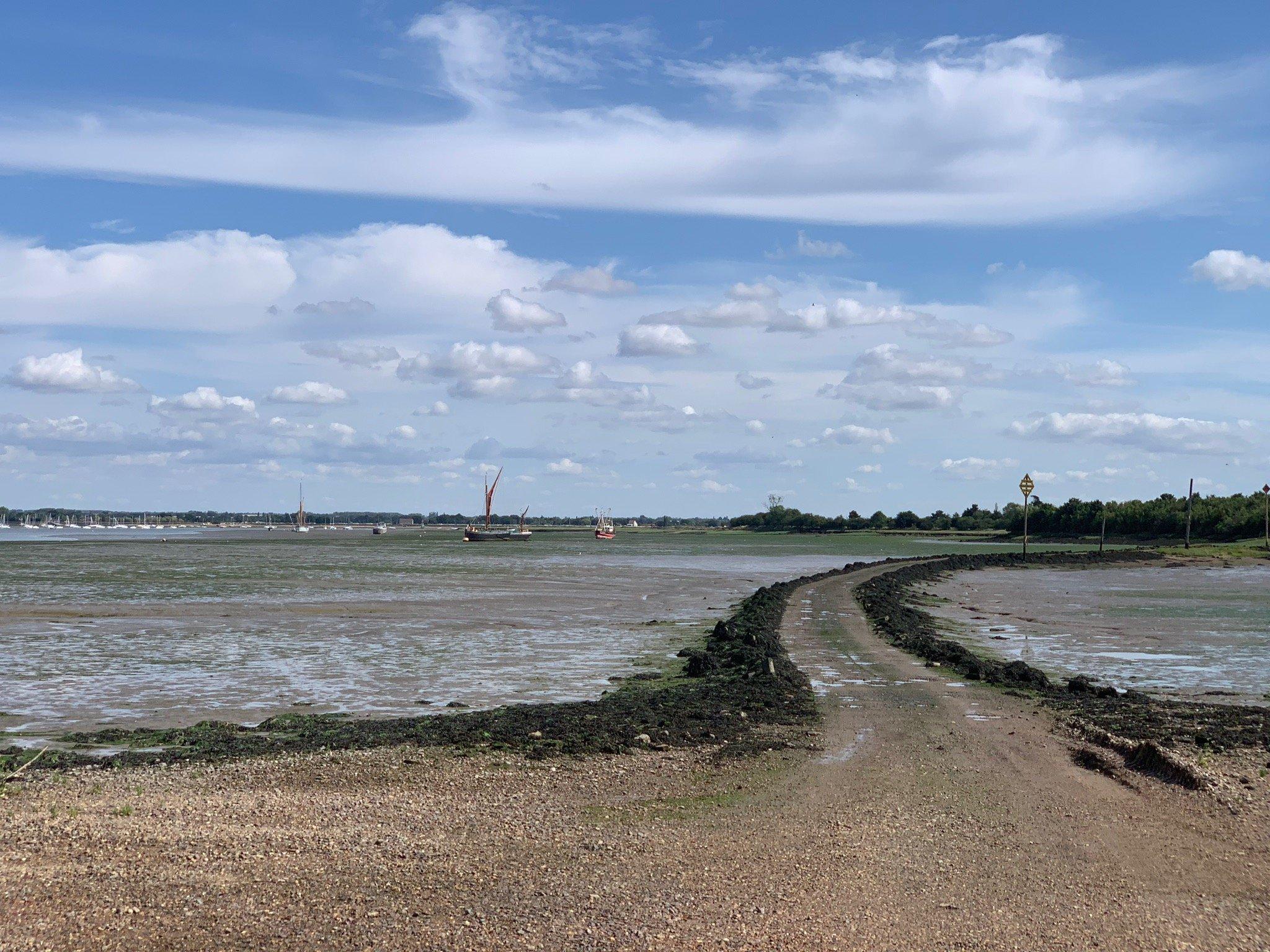
Northey Island is tidal and reached via a causeway at low tide. That tidal nature makes safe access time‑sensitive; visitors must take care with tide timetables and local signage. The combination of fragile habitats and safety considerations means visitor numbers are generally modest and often guided by conservation objectives.
Threats and future pressures
Like many low‑lying coastal sites, Northey Island faces long‑term pressures from sea‑level rise, coastal erosion and changing sediment dynamics. These forces threaten both natural habitats and the preservation of archaeological features. Local conservation efforts, planning authorities and community groups are increasingly focused on adaptation measures that can protect biodiversity while respecting the island’s historic character.
Conclusion: What it means for readers
Northey Island exemplifies the overlap of heritage and habitat found around the UK’s coasts. For residents and visitors, it is a reminder to approach coastal sites with respect for both safety and conservation rules. For policymakers and conservationists, the island underscores the need to plan for climate impacts while preserving access to natural and historic places. Continued monitoring, cautious visitor management and adaptive conservation will be key to maintaining Northey Island’s values for future generations.