

Anticipated Minimum Wage Increases for 2026
Introduction
The minimum wage has long been a critical issue within economic discussions, influencing both workers’ livelihoods and broader economic conditions. As various regions prepare for potential minimum wage increases in 2026, it is essential to understand the implications these changes may hold for the workforce, businesses, and economic growth across the United Kingdom.
Current Landscape
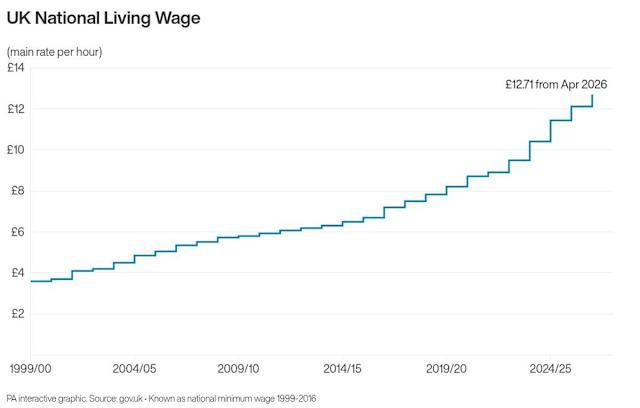
As of 2023, the minimum wage in the UK stands at £10.42 per hour for those aged 23 and over, following the increase that took effect in April. This rate aims to support living costs amidst ongoing inflation pressures. The Low Pay Commission (LPC) has been tasked with reviewing the minimum wage annually, providing recommendations to the government that reflect economic conditions and the needs of low-income workers.
Projected Changes
Looking ahead to 2026, several factors will contribute to discussions about minimum wage increases. Firstly, inflation rates, which surged notably during the pandemic period, are expected to stabilise but still remain a focal point in understanding appropriate wage levels. Additionally, the ongoing debates regarding fair pay and income inequalities are likely to propel advocacy for substantial minimum wage hikes. Several charities and organisations argue that the living wage should more closely align with the cost of living, advocating for a possible increase to around £12 per hour by 2026.
Economic Implications
Raising the minimum wage has both supporters and detractors. Proponents argue that higher wages can improve workers’ standard of living, reducing reliance on government support programmes and boosting consumer spending. Conversely, critics warn that significant increases in wage standards could lead to higher operational costs for businesses, potentially resulting in job losses or reduced hiring. The challenge will be to strike a balance that protects workers’ rights without stifling job creation.
Conclusion
The anticipated discussions around minimum wage increases in 2026 highlight the necessity for a comprehensive approach to economic policy and workforce support. As debates unfold, stakeholders from various sectors, including government entities, businesses, and employee advocates, must engage to develop effective strategies that consider the diverse implications of minimum wage policies. In navigating these changes, the ultimate goal remains to uplift the workforce while fostering a resilient and thriving economy in the United Kingdom.