

National Living Wage Increase: What UK Workers and Employers Need to Know
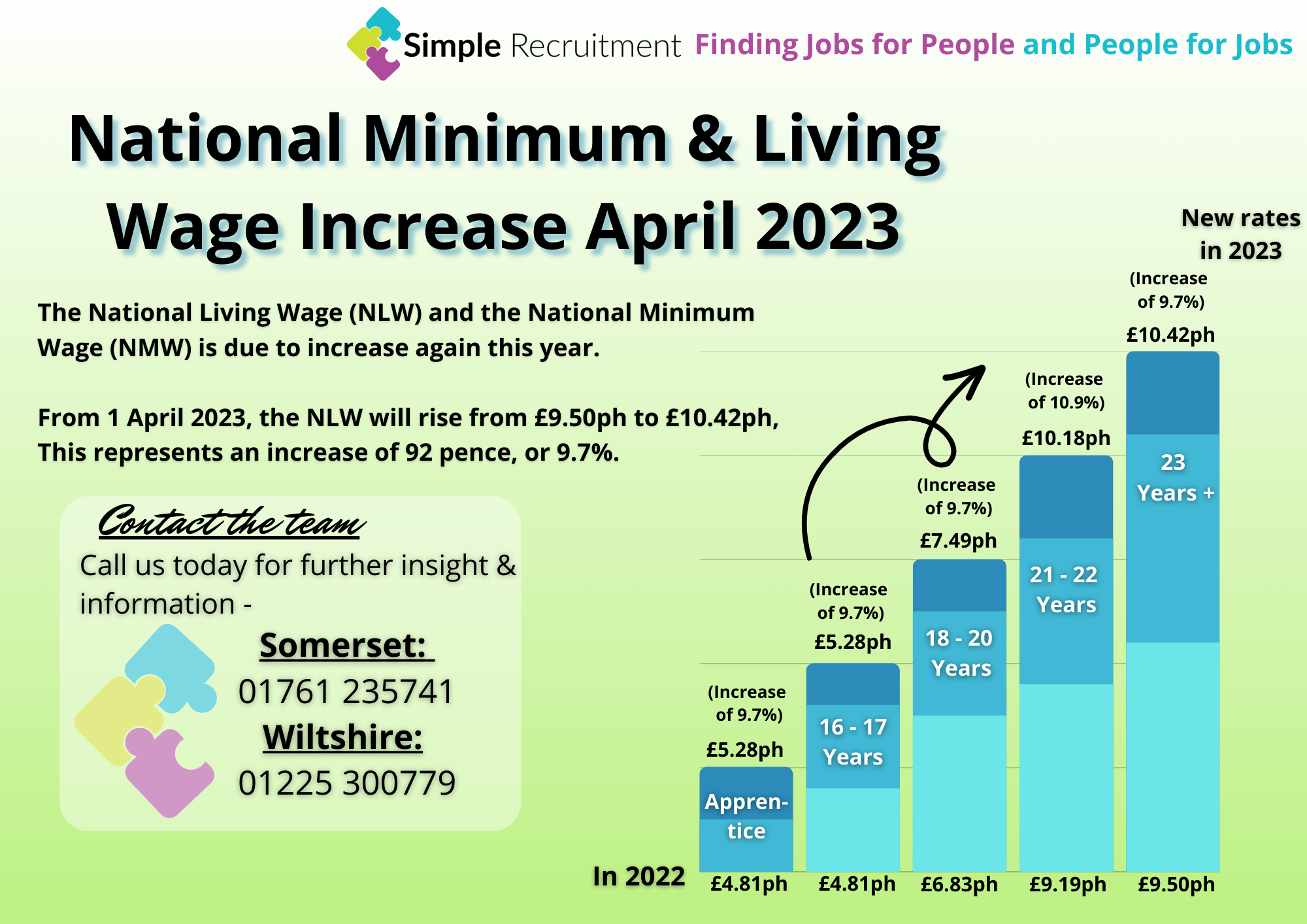
Understanding the National Living Wage Increase
The National Living Wage (NLW) has become a cornerstone of the UK government’s commitment to supporting fair pay and protecting workers’ living standards. The Government has announced its acceptance of the Low Pay Commission’s recommendations on the rates of the National Minimum Wage, including the National Living Wage. This increase is particularly significant as it aims to help millions of workers keep pace with the rising cost of living whilst maintaining economic balance for businesses across the country.
The 2025 Rate Increase
As of April 1, 2025, the National Living Wage in the United Kingdom has increased to £12.21 per hour for workers aged 21 and over. This represents a meaningful boost for low-paid workers across various sectors. The recommended NLW rate is expected to equal two-thirds of median earnings and to have the highest real value in the history of the UK’s minimum wage. The increase reflects the government’s determination to ensure wages keep pace with inflation and living costs, providing workers with greater financial security.
Looking Ahead: April 2026 Increase
The upward trajectory continues with another planned increase on the horizon. The National Living Wage, the minimum wage rate for all workers aged 21 and over, will rise by 4.1 per cent to £12.71 from April 2026. This future increase demonstrates the government’s ongoing commitment to protecting workers’ purchasing power and ensuring that minimum wage earners can afford essential living expenses.
Impact on Workers and the Economy
Despite these increases, there remains a gap between the statutory National Living Wage and the voluntary Real Living Wage calculated by the Living Wage Foundation. A full-time worker earning the new National Living Wage of £12.21 an hour will still earn £760 less per year than someone earning the real Living Wage. However, the increase in the National Living Wage will ensure a real-terms pay rise for low-paid workers, providing much-needed relief amidst economic pressures.
Implications for Employers
The wage increase presents both opportunities and challenges for UK businesses. Employers have had to deal with the adult rate rising over 20 per cent in two years, and the challenges that has created alongside other pressures to their cost base. Sectors such as hospitality, healthcare, and retail will be particularly affected by these changes. Employers must ensure their payroll systems are updated and communicate changes clearly to affected staff members to maintain compliance with the new statutory requirements.