

Dynamic Pricing: What It Means for Markets and Consumers
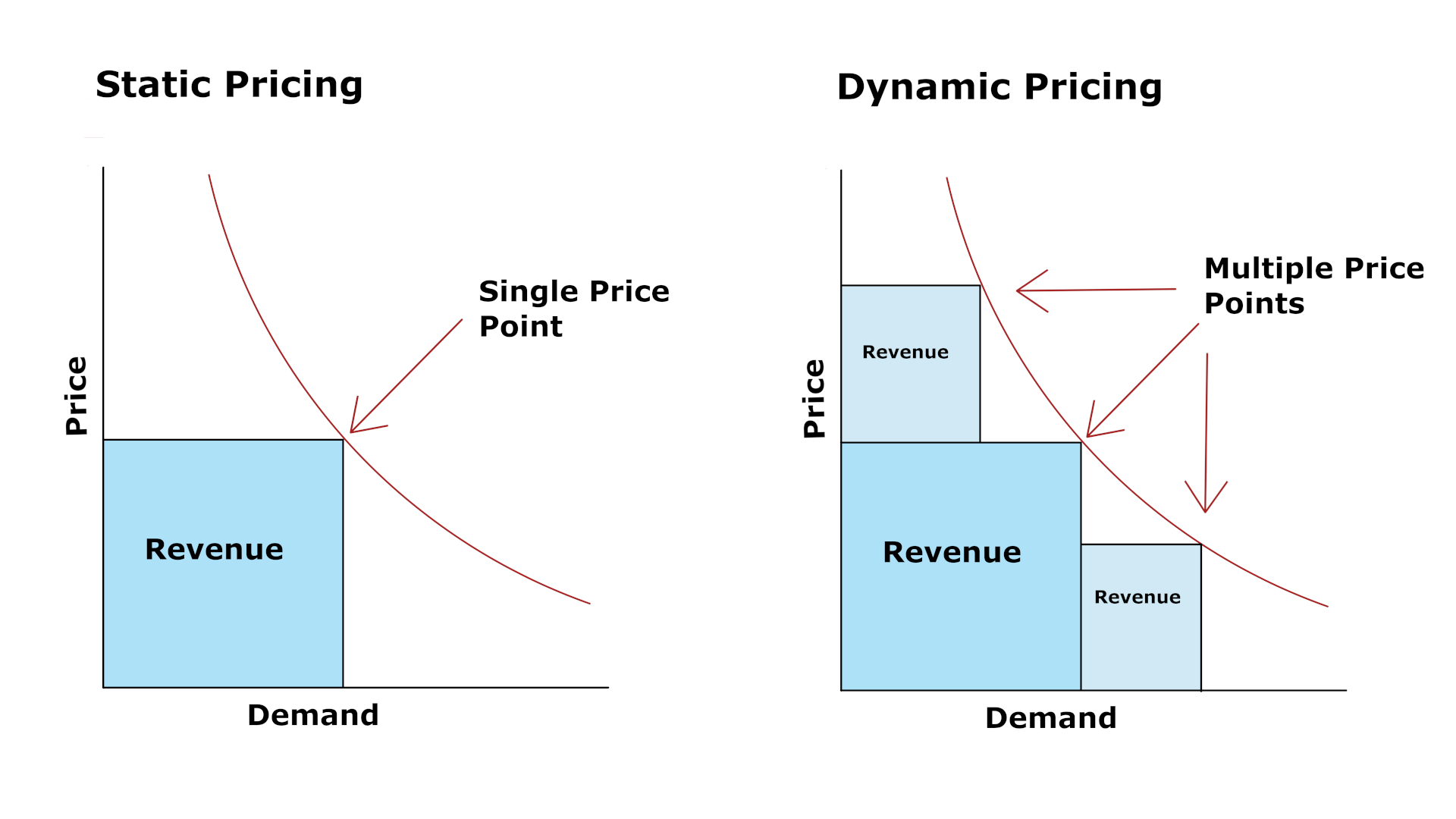
Introduction: Why dynamic pricing matters
Dynamic pricing has become a central feature of modern markets, influencing how goods and services are priced in real time. Its importance lies in the ability of businesses to respond quickly to changes in demand, supply and costs, while consumers face varying prices for similar products. For policymakers, regulators and shoppers, understanding dynamic pricing is increasingly relevant as digital platforms and data-driven tools expand its use across sectors.
Main body: How dynamic pricing works and where it appears
Mechanisms and drivers
At its core, dynamic pricing adjusts prices based on variables such as demand, time, inventory, competitor rates and customer behaviour. Algorithms process data streams to recommend or set prices automatically. Variants include time-based pricing, demand-responsive or surge pricing, and personalised pricing tailored to customer profiles.
Sectors adopting dynamic pricing
Dynamic pricing is widely used in industries where supply and demand fluctuate. Transport and travel markets commonly adjust fares and rates according to seasonality and booking windows. Retailers use dynamic price tags online to respond to competitor moves and stock levels. Energy suppliers, entertainment ticketing and ride-hailing services also apply variants of dynamic pricing to balance capacity and revenue.
Impacts on consumers and firms
For firms, dynamic pricing can increase revenue efficiency and improve inventory management. For consumers, benefits include discounts during low-demand periods but also unpredictability and potential perceptions of unfairness when similar buyers see different prices. Transparency, clear communication and accessible comparison tools are important to maintain trust.
Conclusion: Outlook and significance
Dynamic pricing is likely to expand as data availability and algorithmic capability grow, bringing both opportunities and challenges. Organisations can gain agility and improved margins, but they must balance this with ethical considerations and regulatory expectations around fairness and transparency. For consumers, awareness and comparison tools will be increasingly valuable. Policymakers and market participants should monitor developments to ensure dynamic pricing contributes to efficient markets without eroding consumer confidence.