

Exploring the Importance of Shanghai Port in Global Trade
Introduction
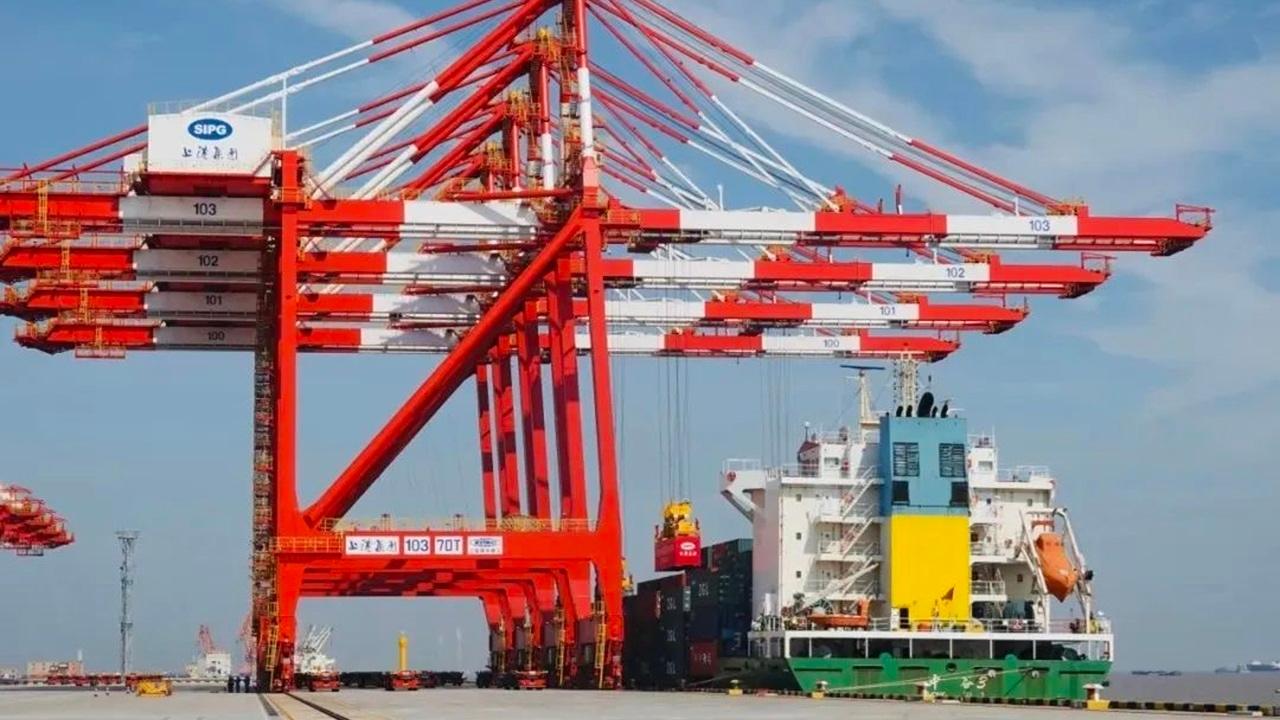
Shanghai Port stands as one of the busiest and most significant ports in the world, playing a pivotal role in global shipping and trade. As china continues to assert itself as a leading economic power, the importance of Shanghai Port cannot be overstated. With its strategic location, advanced facilities, and robust infrastructure, it is essential for both local and international shipping operations. The port serves as a vital gateway for goods flowing into and out of Asia, making it integral to the global supply chain.
Recent Developments at Shanghai Port
In recent months, Shanghai Port has witnessed substantial changes aimed at improving efficiency and handling capacity. Following the pandemic-related disruptions in 2020, authorities have worked diligently to enhance operational resilience. According to the Shanghai International Port Group, the port achieved a total container throughput of 47.3 million TEUs (twenty-foot equivalent units) in the first half of 2023, indicating a recovery and a steady growth trajectory. Investments in automation technologies, including the use of AI and robotics in container handling, have further boosted processing times and reliability.
Moreover, environmental sustainability has become a focus, with the port implementing initiatives to reduce carbon emissions and improve energy efficiency. The introduction of electric-operated cranes and a shift towards green shipping practices have received attention and support from both domestic and international stakeholders.
Challenges Facing Shanghai Port
Despite its successes, Shanghai Port is not without its challenges. Global shipping logistics continue to experience turbulence due to geopolitical tensions, such as the ongoing trade disputes and supply chain disruptions exacerbated by the COVID-19 pandemic. Additional pressures from rising shipping costs and fluctuating demand for goods have compelled port authorities to adapt quickly to changing circumstances. Furthermore, increasing competition from other regional ports in Southeast Asia has started to threaten Shanghai’s dominance in the maritime industry.
Conclusion
Looking ahead, the significance of Shanghai Port will likely continue to grow as it strives to solidify its position as a cornerstone of international trade. Continuous investment in infrastructure, coupled with the adoption of cutting-edge technologies, may equip the port to successfully navigate the complexities of the global shipping landscape. For businesses that rely on maritime logistics, monitoring developments at Shanghai Port is crucial, as its operational health directly impacts supply chain efficiency and cost-effectiveness.