

Iran’s Currency Crisis Deepens as Rial Hits Historic Low in 2026
Introduction: A Currency in Freefall
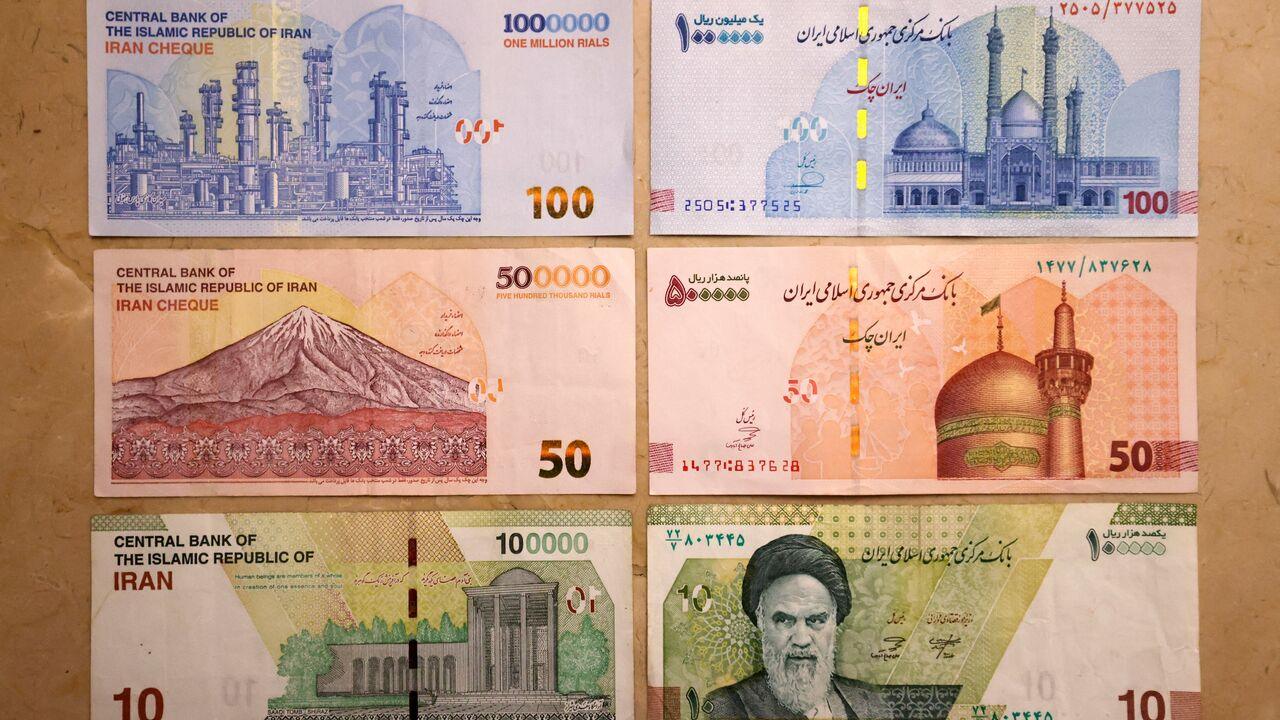
Iran’s national currency, the rial, has collapsed to unprecedented levels in January 2026, triggering widespread economic hardship and civil unrest across the nation. On Monday, 12 January 2026, the dollar was quoted as high as 1.47 million rials in the ‘free market’ of Tehran, marking a catastrophic decline from 2025 levels. This currency crisis represents far more than a financial statistic—it affects millions of Iranians struggling to afford basic necessities and has become a flashpoint for broader political discontent.
The importance of this crisis extends beyond Iran’s borders, as the country’s economic instability has geopolitical implications for the Middle East and global energy markets. Understanding the causes and consequences of Iran’s currency collapse is essential for grasping the current challenges facing one of the region’s most significant nations.
The Scale of the Economic Crisis
The Iranian rial dropped to 1.42 million against the US dollar with a 56 percent drop in value in just six months. To put this in historical perspective, by early 2026, it surged past 1.4 million rials, meaning Iran’s currency has lost roughly 20,000 times its value over four decades.
The currency collapse has driven severe inflation throughout the economy. High inflation is the enemy of any currency, and Iran had a 42.5% inflation rate in December 2025. Even more alarming, the plummeting currency has driven inflation with food prices soaring by an average of 72 percent compared with last year. These price increases have devastated household budgets, with prices of basic goods in Iran expected to rise by 20% to 30% in the coming weeks, with sharper increases likely for chicken, eggs and cooking oil.
Protests Erupt Across the Nation
The economic crisis has sparked widespread demonstrations. Iran begins 2026 with extensive protests sparked by its weak economy. What began as shopkeeper protests in Tehran’s Grand Bazaar has evolved into something much larger. The unrest spread into a broader protest movement involving students, workers and other groups calling not just for an improvement in living standards but an end to the Islamic republic system.
The human cost has been significant, with reports of casualties during clashes between protesters and security forces. The Iranian government has responded by implementing internet blackouts and shifting its rhetoric to justify stronger security measures.
Underlying Causes and Structural Challenges
Multiple factors have contributed to Iran’s currency crisis. Iran’s economy has been hit by years of sanctions and chronic inflation, and many Iranians turn to hard currency and gold as stores of value during bouts of political and economic uncertainty. Additionally, in October 2025 the World Bank projected that Iran’s economy would shrink in both 2025 and 2026, and that annual inflation would rise towards 60%.
The government’s recent policy changes have intensified pressure on the currency. The increase was the result of the government’s decision to end subsidized dollars for essential imports in an effort to stabilize the foreign exchange market and curb corruption, a move that has pushed up the local-currency cost of imports.
Conclusion: An Uncertain Future
Iran’s currency crisis represents a critical juncture for the country’s economic and political future. The dramatic devaluation of the rial has eroded living standards, sparked widespread protests, and exposed deep structural problems within Iran’s economy. While the government has promised reforms and attempted to address corruption in the currency exchange system, the effectiveness of these measures remains uncertain.
For ordinary Iranians, the immediate outlook is challenging, with continued inflation and economic hardship likely in the near term. For international observers, Iran’s currency crisis serves as a reminder of how economic instability can quickly translate into political volatility, with potential ramifications extending far beyond the country’s borders. The coming months will be crucial in determining whether Iran can stabilize its economy and address the underlying issues driving both the currency collapse and public discontent.