

The Importance of Minimum Wage Adjustments in 2023
Introduction
The concept of minimum wage is pivotal in ensuring a basic standard of living for workers across many sectors. As economies grapple with inflation and cost of living surges, the adjustments to minimum wage levels are vital for both employees and employers. In 2023, numerous countries have reevaluated their minimum wage policies, making this an especially pertinent issue for workers and businesses alike.
Current Developments
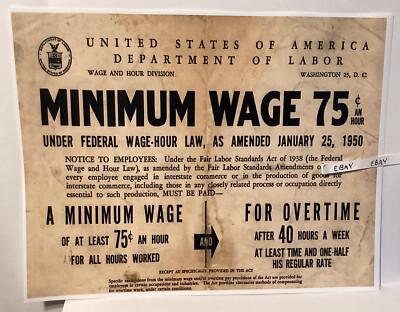
This year, several regions have announced significant minimum wage increases aimed at addressing the rising cost of living. For instance, the UK government has proposed an increase to £11 per hour effective next April, a response to current inflation rates which have surged in recent months. Similarly, states such as California have set a minimum wage of $15.50, reflecting their respective economic conditions and the demands from worker advocacy groups.
In addition to wage increases, the discourse surrounding minimum wage has also expanded to include discussions about the living wage—a rate that covers basic needs including housing, food, and transportation. Hence, organisations are advocating not just for minimum wage hikes but for fundamental reforms that ensure that all workers can afford a decent standard of living.
Economic Implications
The rising minimum wage presents a mixed bag for economies. While it is beneficial for workers who experience immediate financial relief, businesses often face increased payroll costs. This has led to concerns about higher prices for consumers and potential job losses as firms look for ways to offset increased labour costs. A recent study from the Resolution Foundation indicated that while job growth stagnated post-wage increase, regions investing in training and upskilling workers managed to enhance productivity without significant job losses.
Conclusion
The adjustments to minimum wage in 2023 have critical implications for the labour market, businesses, and the wider economy. These changes underscore the importance of continuous dialogue between governments, employers, and labour groups to find a sustainable balance. As we navigate these changes, it remains essential for citizens to stay informed and advocate for policies that not only raise wages but also secure the economic stability of communities. With further evaluations likely in the coming years, the ongoing debate surrounding minimum wage will continue to evolve, impacting both the workforce and economic structures worldwide.