

Understanding the Real Living Wage and Its Importance
Introduction
The Real Living Wage is becoming an increasingly significant topic in discussions surrounding fair wages in the UK. As the cost of living continues to rise, many workers find it increasingly challenging to make ends meet on the National Living Wage. The Real Living Wage provides a more adequate standard for compensation that reflects the actual costs of living in the UK, ensuring that individuals and families can afford essential needs such as housing, food, and utilities.
Main Body
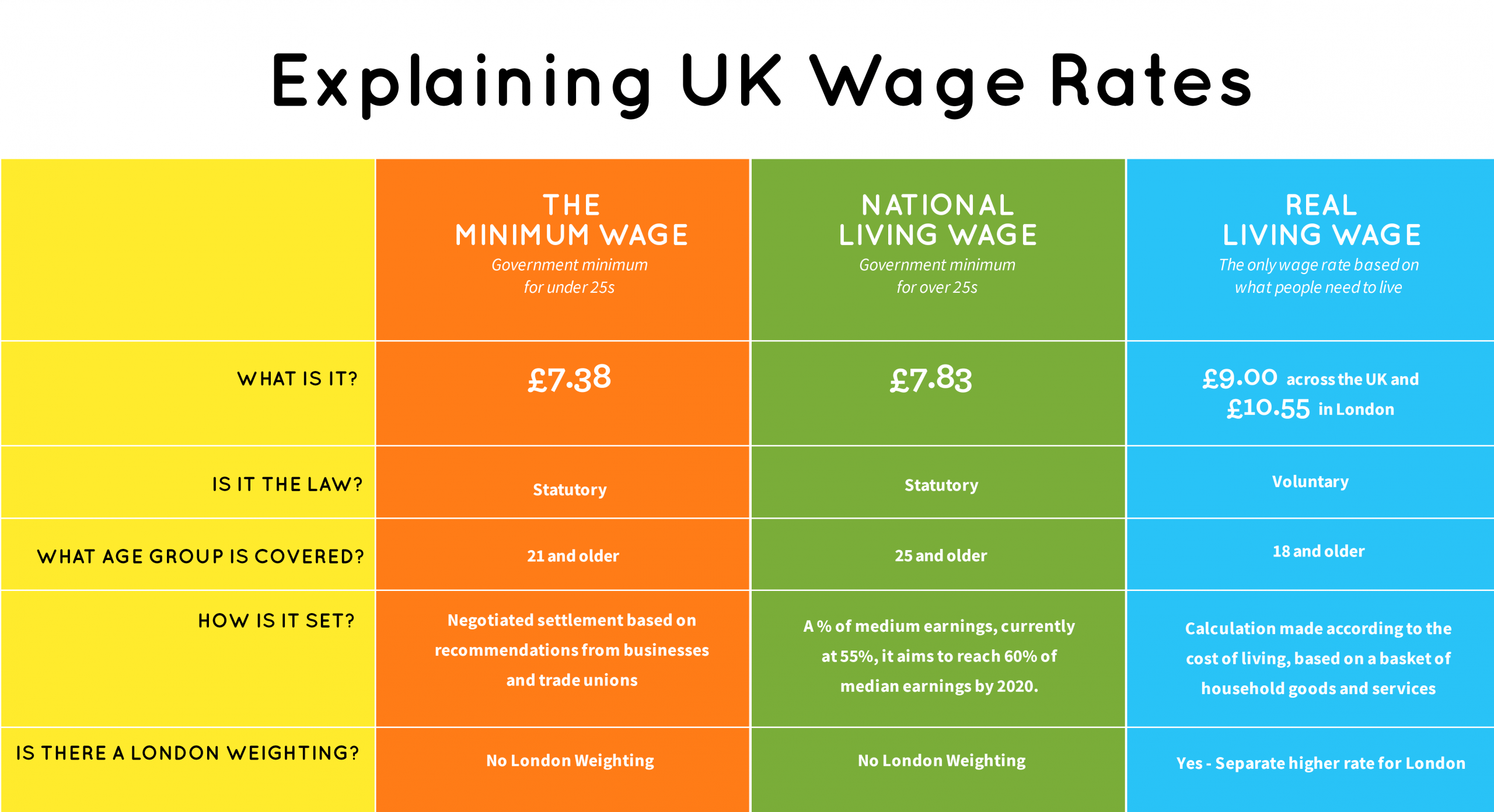
According to the Living Wage Foundation, the Real Living Wage in the UK is currently set at £11.95 per hour in London and £10.90 outside London, based on the latest analysis of living costs. This is significantly higher than the National Living Wage, which is set at £9.50 per hour for workers aged 23 and over. The gap between these two figures highlights the pressing issue of wage stagnation amid rising inflation.
In recent months, there has been a notable increase in the number of employers opting to pay the Real Living Wage. As of October 2023, over 11,000 businesses have committed to this initiative, recognising the positive impact it has on employee retention, productivity, and overall morale. Notable companies such as IKEA, Aviva, and Burberry have led the way in adopting this wage standard, setting an example for others in the industry.
The Real Living Wage is calculated based on genuine living costs, meaning local research is conducted to determine the minimum pay necessary for workers and their families to achieve a decent standard of living. This approach contrasts with the government-mandated minimum wages, which are often influenced by broader economic factors rather than individual living conditions.
In addition to helping workers financially, the Real Living Wage also contributes to the economy. When workers are paid fairly, they have more disposable income, which encourages spending in local communities, ultimately benefiting businesses. A report by the Resolution Foundation indicated that implementing the Real Living Wage could boost productivity and economic growth by fostering a more motivated workforce.
Conclusion
The significance of the Real Living Wage cannot be overstated. As the cost of living continues to rise, ensuring that workers are paid fairly is crucial for their wellbeing and the economy’s health. Looking ahead, it is expected that more businesses will recognise the importance of this wage standard, further solidifying its role in the UK’s employment landscape. Committing to the Real Living Wage not only enhances the quality of life for workers but also contributes to a more equitable society.