

US inflation steady at 2.7% in December 2025
Introduction: Why us inflation matters
Inflation is a central economic indicator that shapes monetary policy, consumer prices and financial markets. The latest reports on us inflation show a stabilisation that will be watched closely by households, investors and policymakers. A clear, steady inflation rate can influence interest-rate decisions, borrowing costs and the purchasing power of consumers across the United States.
Latest figures and verified sources
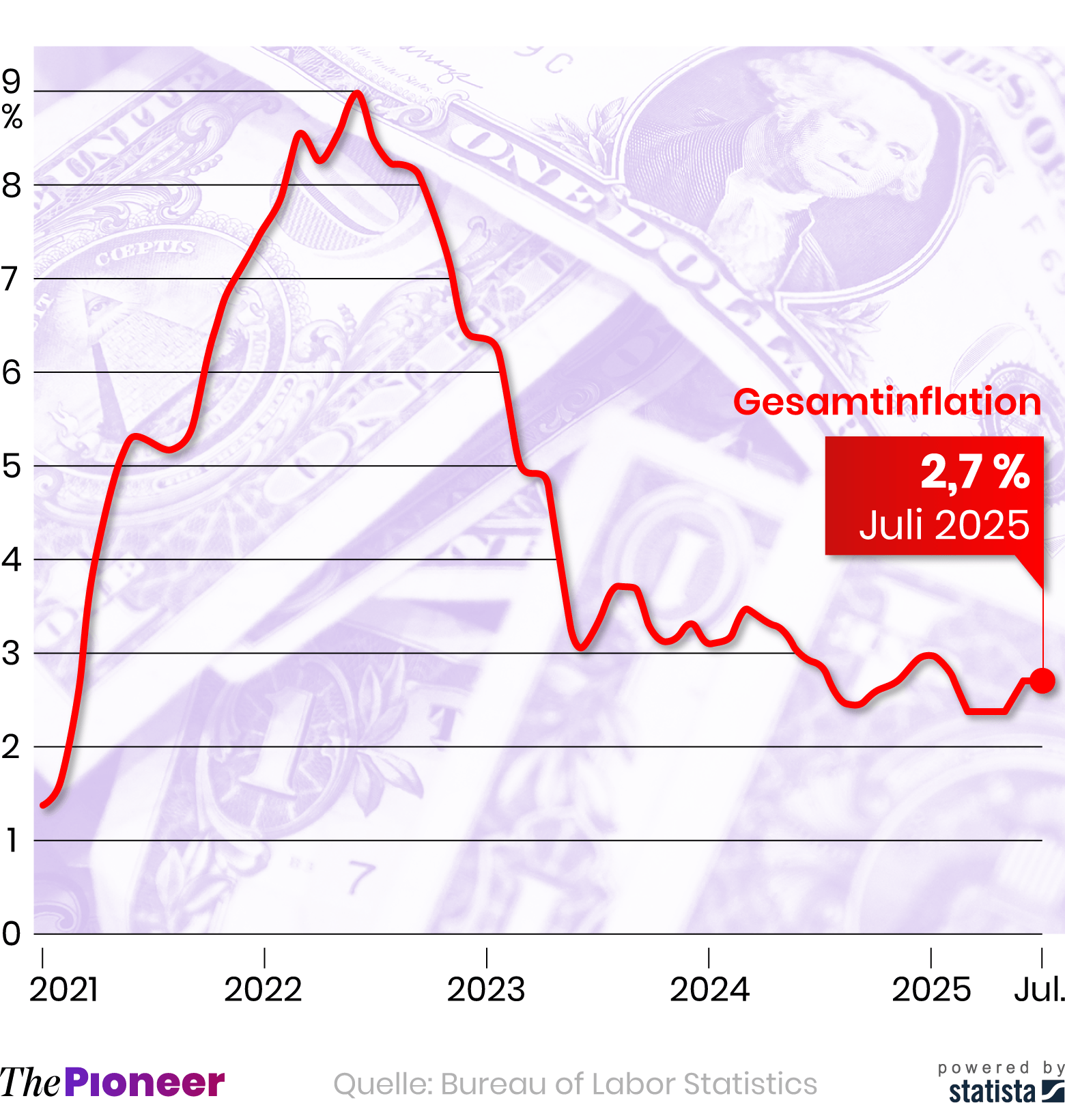
Official data indicate the annual rate of consumer price inflation in the United States was 2.7% for the 12 months ending December 2025. The U.S. Labor Department reported the rate as unchanged from the previous reading. Trading Economics similarly noted that the annual inflation rate remained at 2.7% in December 2025, the same as in November and in line with market expectations. International datasets, including the International Monetary Fund’s consumer price series, provide consistent historical context for these recent readings.
What the numbers show
The 2.7% annual rate marks a continuation of a recent trend in which headline inflation has moderated from higher levels seen earlier in the recovery. While the figure captures broad movements in consumer prices, it is the monthly composition and the underlying drivers—such as energy, food and services—that determine how the rate affects different segments of the economy.
Context and implications
Market commentators have interpreted the steady 2.7% outcome as broadly consistent with expectations, reducing the likelihood of sudden market reactions. For policymakers at the Federal Reserve, stable headline inflation is one input among others — including labour-market strength and core inflation measures — when assessing the appropriate stance for interest rates. For consumers and businesses, a sustained period of moderate inflation may ease pressure on living costs and planning, though pockets of price pressure can persist in specific sectors.
Conclusion: What to watch next
The December 2025 reading of 2.7% suggests a period of relative stability in us inflation, but future developments will depend on incoming data on wages, energy and food prices, and broader demand conditions. Economists and market participants will watch upcoming monthly CPI releases and central bank signals for clues about the path of monetary policy. For readers, the headline figure underlines the importance of monitoring price trends locally and nationally, as these shape borrowing costs, savings and everyday budgets.