

What Inflation Means for Households and the Economy
Introduction: Why inflation matters
Inflation — the sustained rise in the general price level of goods and services — is a central issue for households, businesses and policy makers. Its relevance stretches from everyday budgets to long-term investment decisions. Understanding inflation helps readers make informed choices about spending, saving and negotiating wages, and it shapes the priorities of central banks and governments.
Main body: Causes, measurement and effects
What drives inflation?
Inflation typically arises from shifts in demand and supply. Demand-pull inflation occurs when aggregate demand outpaces productive capacity, while cost-push inflation follows increases in production costs such as wages or energy. Inflation can also be influenced by expectations: if households and firms expect prices to rise, their behaviour can reinforce upward pressure on prices.
How inflation is measured
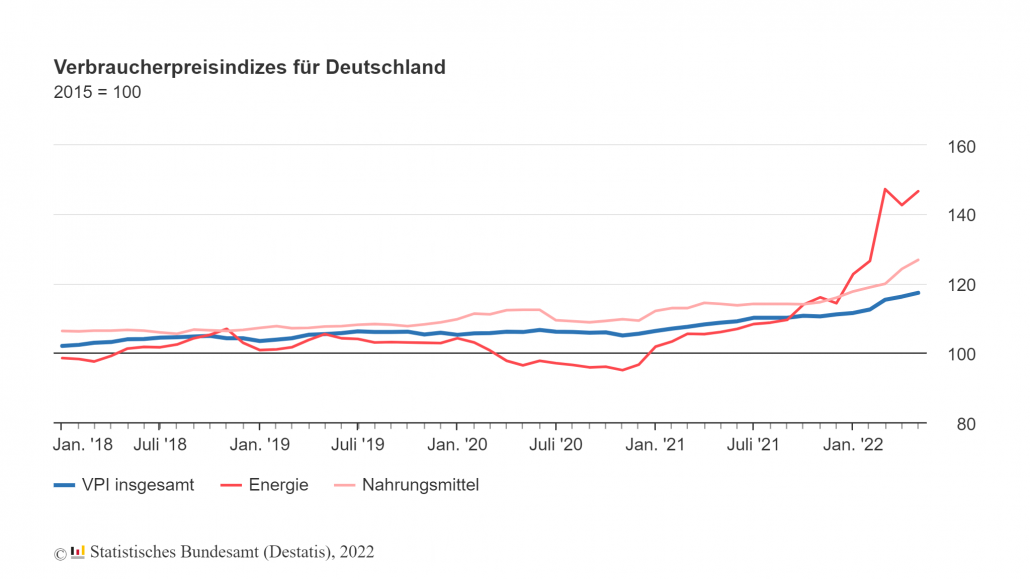
Official statistics offices measure inflation through price indices that track a representative basket of goods and services over time. These indices aim to capture changes in the purchasing power of money and provide a basis for adjusting incomes, pensions and contracts. Core measures often exclude volatile items such as energy and food to reveal underlying trends.
Economic and social impacts
Moderate inflation is commonly associated with a growing economy and can ease the real burden of debt. However, high or unpredictable inflation erodes purchasing power, complicates long-term planning for businesses and households, and can disproportionately affect those on fixed incomes or with limited access to financial instruments that protect against price rises. In contrast, very low inflation or deflation can discourage spending and investment.
Policy responses
Central banks use monetary policy — chiefly interest rate adjustments — to steer inflation toward target ranges. Governments deploy fiscal policy and supply-side measures to address structural contributors to price pressures. Communication and credibility are crucial: clear guidance on policy aims helps anchor inflation expectations and reduce volatility.
Conclusion: What readers should take away
Inflation touches everyday life and macroeconomic stability. Readers should monitor price trends, consider inflation in financial planning, and be aware that policy responses aim to balance price stability with broader economic goals. While the precise outlook will depend on evolving economic conditions, understanding the mechanisms behind inflation equips individuals and organisations to respond more effectively.