

The Remarkable Career of Daniel Day-Lewis
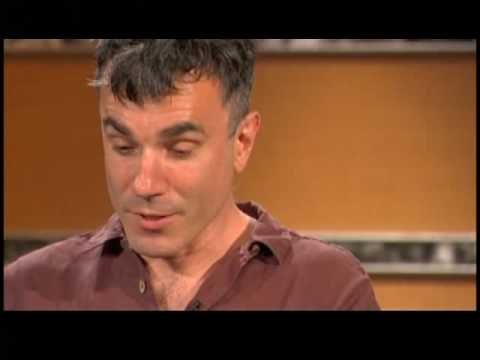
Introduction
Daniel Day-Lewis is not just an actor; he is a master craftsman of the performing arts whose transformative performances have captivated audiences and critics alike. With three Academy Awards for Best Actor, Day-Lewis is celebrated for his exceptional talent and commitment to his roles, making him one of the most praised actors of his generation. His unique approach to acting and dedication to fully embodying his characters has set a standard in the film industry.
Career Milestones
Born on April 29, 1957, in London, Day-Lewis comes from a notable family; his father was a poet, and his mother was an actress. He began his acting career in theatre before transitioning to film. His breakthrough came with My Beautiful Laundrette in 1985, where he showcased an ability to inhabit complex characters with ease.
However, it was his role in My Left Foot (1989) that truly put him on the map. Day-Lewis played Christy Brown, a man with cerebral palsy, and won his first Academy Award. He followed this up with remarkable performances in films like Last of the Mohicans (1992) and Gangs of New York (2002), each showcasing his willingness to immerse himself fully in each character’s life.
Unmatched Dedication
What sets Daniel Day-Lewis apart from other actors is his extreme method acting. Stories abound of him staying in character for the entirety of a shoot. During the filming of Lincoln (2012), he requested to be addressed as “Mr. President” by cast and crew, further indicating his commitment to the role of Abraham Lincoln.
His immersive approach has not only led to realistic portrayals but also shaped the way audiences perceive his characters. It has drawn accolades, and his performances have defined various cinematic projects, earning him a reputation as one of the most skilled actors in film history.
Recent Developments
In 2017, Day-Lewis announced his retirement from acting after the release of Phantom Thread, a film that once again proved his mettle. While films like Phantom Thread reflect his artistic mastery, his decision to step away from the camera leaves a significant void in the industry. Fans and critics alike are left hopeful for the potential of a return, but with his track record, many respect his desire for privacy and personal investment outside of the spotlight.
Conclusion
Daniel Day-Lewis’s legacy is one of unparalleled devotion to the art of acting. His contributions to cinema are immense, and the impact of his performances will resonate long into the future. As films evolve and new talents emerge, the craft of acting remains forever changed by the indelible mark left by Day-Lewis. His story is one of passion, excellence, and an unwavering commitment to storytelling through the lens of his characters.