

The Future of Pilots: Navigating Change in Aviation
Introduction
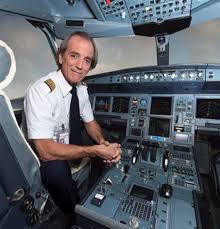
The role of pilots has been essential in aviation since the advent of flight, serving as the critical link between technology and safety in air travel. As the aviation industry continues to evolve with advancements in technology, particularly automation and artificial intelligence, the importance of understanding the future of pilots and their evolving responsibilities is paramount. This discussion is relevant not only to aspiring pilots but also to passengers and stakeholders concerned about air safety and the future landscape of the industry.
The Current Landscape of Piloting
According to the International Air Transport Association (IATA), the demand for pilots is expected to increase significantly in the coming years, with a projected need for 463,000 new pilots by 2035. This demand is driven by the growth of commercial airlines post-pandemic and the retirement of experienced pilots.
However, advances in technology, particularly with automatic flight systems and unmanned aerial vehicles, are generating discussions around the necessity and function of human pilots. Airlines are increasingly equipping their fleets with sophisticated autopilot systems that can handle various flight phases, leading to a perception that the pilot’s role may diminish. Yet, experts argue that automation cannot replace the critical decision-making and problem-solving capabilities of human pilots.
Challenges and Opportunities
While the incorporation of machine learning and artificial intelligence in aviation can enhance safety and efficiency, it also presents challenges for pilot training and job security. The fear that automation may lead to reduced job opportunities for future pilots is a significant concern within the industry.
However, this evolution also brings opportunities for pilots to focus on more advanced and strategic aspects of flying. With technology handling routine tasks, pilots may spend more time on complex navigational and emergency procedures, potentially leading to enhanced safety outcomes. Additionally, airlines are beginning to embrace hybrid roles for pilots that blend flying with other aviation-related functions, such as overseeing autonomous flight operations.
Conclusion
The profession of piloting is at a crossroads, where the integration of technology is redefining roles within the cockpit. As the demand for pilots increases along with advancements in aviation technology, it is crucial for industry stakeholders to embrace this change and adapt to the new realities of flight. While concerns over job security are valid, the future of pilots also holds potential for enriching their responsibilities and enhancing overall flight safety. Looking ahead, it is vital for aspiring pilots to undergo comprehensive training that integrates both traditional flying skills and a strong understanding of emerging technologies to remain competitive and effective in this evolving field.