

The Life and Legacy of Eva Perón
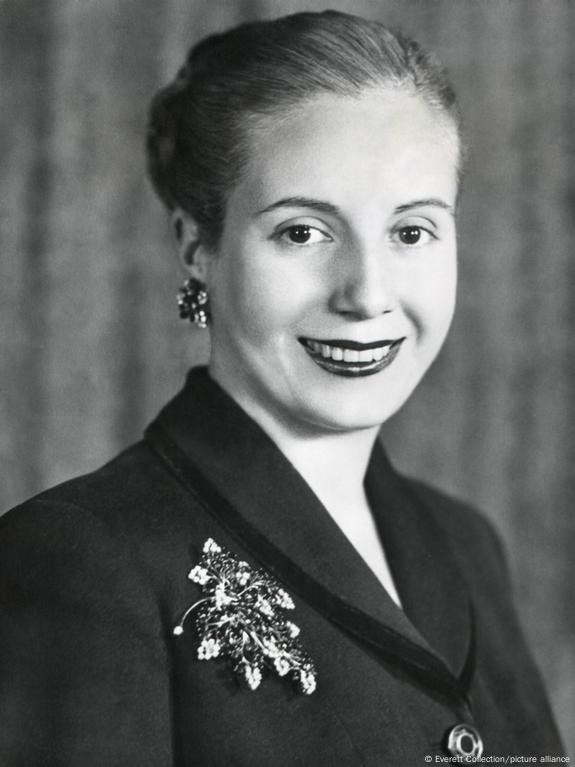
Introduction
Eva Perón, often referred to as Evita, remains one of the most significant figures in Argentine history. Known for her role as the First Lady of Argentina and an advocate for women’s suffrage, her influence has persisted long after her untimely death in 1952. Understanding her life offers insights into the evolution of Argentine politics and the struggle for social justice in Latin America.
Early Life and Political Rise
Born on May 7, 1919, in Los Toldos, Argentina, Eva’s early life was marred by poverty. She moved to Buenos Aires in her teenage years, where she pursued a career in acting. It was there she met Juan Domingo Perón, a rising political figure. Their marriage in 1939 marked the beginning of a profound partnership that would reshape Argentina’s political landscape.
Advocacy for Workers and Women
After Juan Perón was elected president in 1946, Eva became an influential political figure in her own right. As the head of the Woman’s Peronist Party, she campaigned vigorously for women’s rights, successfully advocating for the law that granted women the right to vote in 1947. Her efforts extended beyond suffrage; Eva championed the working class, creating the Eva Perón Foundation which provided healthcare, education, and housing to those in need.
Legacy and Cultural Impact
Eva Perón passed away on July 26, 1952, from cancer, but her legacy endures. She is often viewed as a symbol of hope and empowerment for the marginalized. The musical “Evita,” written by Andrew Lloyd Webber and Tim Rice, brought her story to a global audience, illustrating her complex character—both revered and vilified in Argentine society.
Conclusion
Eva Perón’s life illustrates the profound impact one individual can have on the socio-political fabric of a nation. Through her advocacy and commitment to social justice, she transformed the political landscape of Argentina and inspired countless individuals worldwide. As discussions about gender equality and workers’ rights continue, her legacy reminds us of the importance of fighting for those who have been historically silenced. The continuing relevance of her contributions showcases the need for persistent advocacy in the face of ongoing inequality.