

The Closure of Pizza Hut Restaurants: What It Means
Introduction
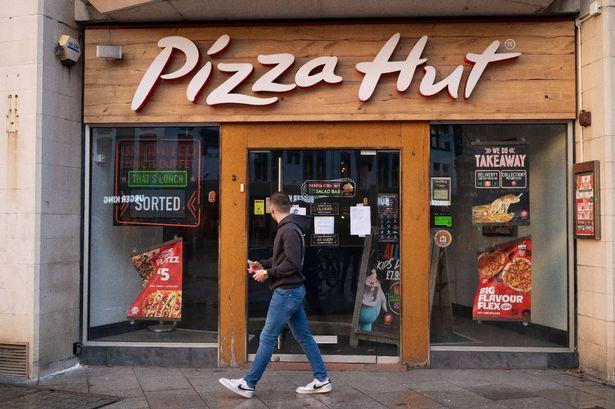
The recent announcement regarding the closure of several Pizza Hut restaurants has raised concerns among employees, customers, and investors alike. With changing consumer preferences and a difficult economic climate, these closures reflect broader challenges within the restaurant industry. This situation highlights the need to examine the factors behind these changes and what they mean for both the brand and its patrons.
Background and Reasons
Pizza Hut, a subsidiary of Yum! Brands, has been a staple in the fast-food industry for decades, known for its iconic pizzas and dine-in experiences. However, numerous factors have contributed to the decision to close locations. According to recent reports, declining foot traffic caused by the COVID-19 pandemic, increasing costs for ingredients, and strong competition from other pizza chains and food delivery services have severely impacted profitability.
In a statement issued earlier this month, Pizza Hut’s corporate team acknowledged that the decision to shut down certain restaurants was not made lightly. They cited a need to focus on operational efficiency and reduce losses in struggling markets. Some closures are expected to occur in urban areas where high rent costs make it difficult to sustain business.
Impact on Employees and Communities
These closures will inevitably impact hundreds of employees who may face job losses or shifts to other locations. Local communities will also feel the effects; Pizza Hut restaurants have often served as family-friendly dining spots and pillars in their neighbourhoods. The company has promised to assist employees in finding new positions within the organization wherever possible.
Future Directions
Industry experts believe that the fast-food sector is undergoing a transformation, with an increased focus on delivery and takeaway services. Some analysts suggest that Pizza Hut might pivot to a more delivery-centric model and consider redesigning stores to cater to this shift. Innovations such as enhanced digital ordering platforms and collaboration with third-party delivery services could become essential strategies moving forward.
Conclusion
The announcement regarding Pizza Hut restaurants closing underscores the challenges facing traditional dining establishments today. As consumer behaviour evolves and economic pressures persist, brands will need to adapt to remain relevant. The future of Pizza Hut may involve significant changes in operations and offerings, but with a rich legacy to build upon, their next steps will be closely watched by stakeholders across the industry.