

The Life and Legacy of Bob Geldof
Introduction
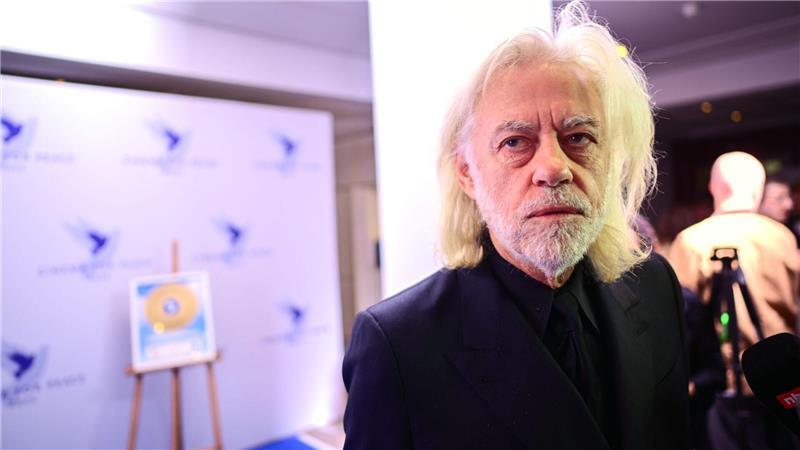
Bob Geldof, a prominent figure in both the music industry and the realm of activism, has made significant contributions to society over the decades. Known primarily for his role as the frontman of the Boomtown Rats, Geldof gained worldwide recognition for his humanitarian efforts, particularly in response to the Ethiopian famine of the 1980s. His ability to blend music with activism has made him a crucial voice in the fight against poverty and unnecessary suffering.
Musical Career
Formed in the late 1970s, the Boomtown Rats achieved notable success with hits like “I Don’t Like Mondays” and “Rat Trap.” Their unique sound and socially conscious lyrics quickly garnered them a large following. Geldof’s charisma and talent as a songwriter propelled the band to international stardom, cementing his influence in the music scene.
Activism and Humanitarian Efforts
Geldof’s transition from rock star to humanitarian began with the Ethiopian famine in the early 1980s. In 1985, he co-organised the charity single “Do They Know It’s Christmas?” under the guise of Band Aid, which raised millions for famine relief. This successful project paved the way for the iconic Live Aid concerts later that year, which took place simultaneously in London and Philadelphia, garnering millions in donations and raising global awareness for Africa’s plight.
Over the years, Geldof has remained committed to various humanitarian causes, becoming a vocal advocate for issues affecting developing nations. His efforts have not only spotlighted pressing global challenges but have also inspired a generation of musicians and activists to use their platform for social good.
Recent Developments
As of 2023, Geldof continues to engage in philanthropic activities, focusing on climate change and the ongoing challenges of poverty exacerbated by the COVID-19 pandemic. He has been involved in various initiatives aimed at providing aid and resources to those affected by the pandemic and has called for global leaders to prioritise sustainable solutions to these crises.
Conclusion
Bob Geldof’s legacy as both a musician and an activist illustrates the profound impact one individual can have on the world. As he continues to champion vital causes, his work serves as a reminder of the power of music and compassion to effect meaningful change. For many, Geldof is not just a musical icon but a symbol of hope and resilience, inspiring future generations to engage in philanthropic efforts and fight for a more equitable world.